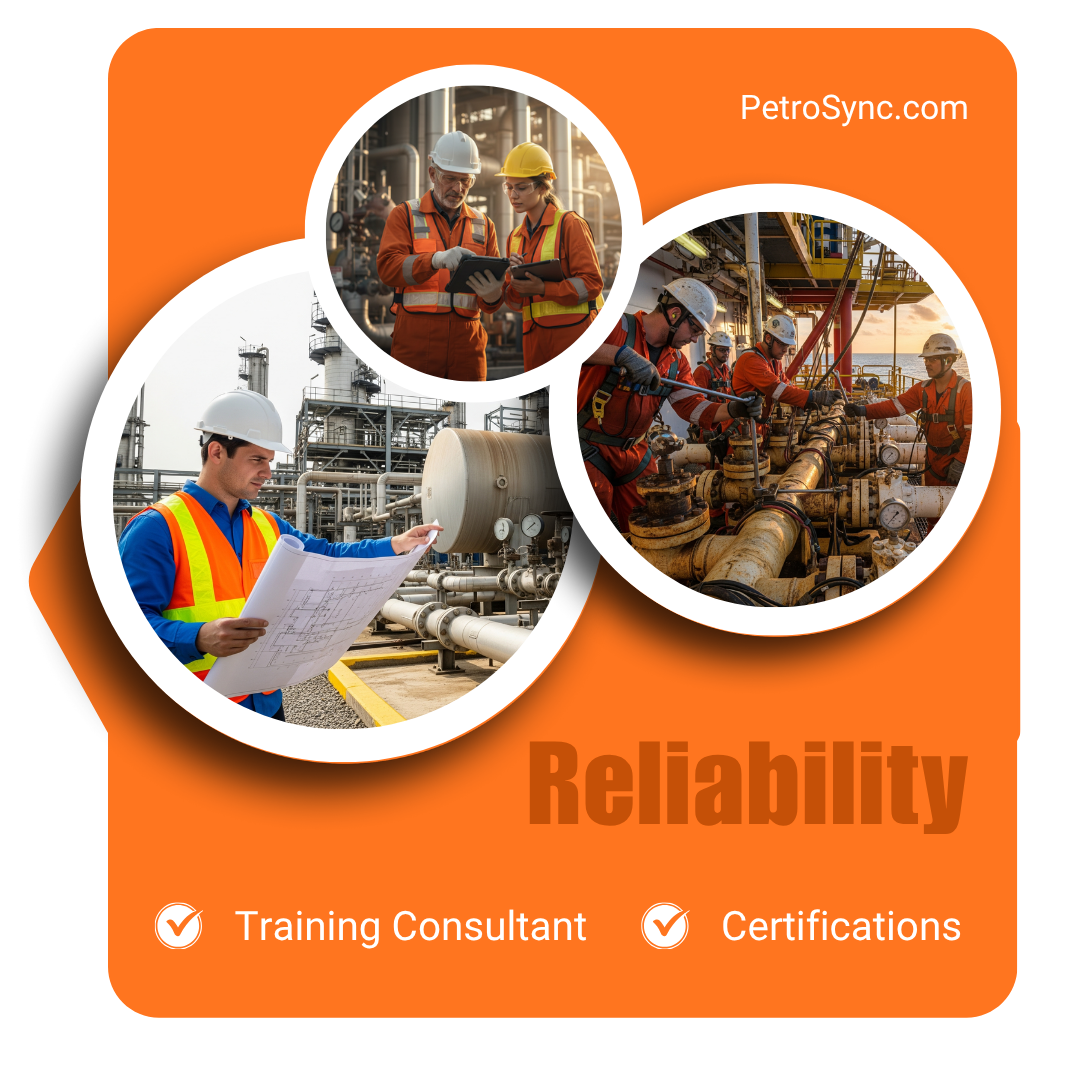



Reliability Engineering Courses play a crucial role in helping industries maintain smooth operations, minimize unexpected downtime, and achieve long-term efficiency. In sectors such as oil and gas, manufacturing, and energy, companies face increasingly complex systems, tighter regulations, and higher expectations from clients and stakeholders.
These training programs provide professionals with practical skills and actionable knowledge to predict equipment failures, apply preventive and predictive maintenance strategies, and optimize system performance. For organizations, this translates into more reliable operations, safer work environments, and measurable improvements in profitability.
For professionals, mastering reliability engineering offers a clear career edge, equipping them with expertise that is highly sought after in today’s competitive industrial landscape.
What are Reliability Engineering Courses?

Reliability engineering courses are specialized programs focused on equipping professionals with the skills and strategies needed to maintain system reliability and optimize equipment performance. They cover topics such as failure analysis, risk assessment, preventive and predictive maintenance, and reliability-centered maintenance (RCM).
Participants learn to identify potential failure points, analyze system performance, and implement measures that reduce operational risks. By combining theory with real-world applications, these courses help engineers and managers develop the practical judgment needed to tackle complex industrial challenges.
Why Reliability Engineering Courses are Critical for Modern Industries
Industries today are under constant pressure to maximize efficiency, reduce costs, and maintain continuous operations. Unplanned equipment failures can result in significant financial losses, compromised safety, and regulatory non-compliance. Studies show that downtime in large industrial operations can cost millions annually, emphasizing the need for proactive reliability management.
Reliability engineering courses enable organizations to approach maintenance systematically. Professionals trained in these programs can spot weak points in systems, anticipate potential failures, and apply preventive strategies before disruptions occur. This forward-looking approach is particularly important in sectors where even brief downtime can have far-reaching consequences.
Furthermore, these courses provide insights into international standards and industry best practices. Professionals learn how to implement data-driven strategies that enhance efficiency, ensure compliance, and build stakeholder trust.

Benefits of Reliability Engineering Courses for Professionals and Companies
1. Enhancing Equipment Performance and Uptime
By mastering techniques to diagnose failure patterns and implement predictive maintenance, professionals can significantly boost equipment reliability. Higher efficiency and extended asset lifespans reduce operational costs while increasing throughput—benefits that are highly visible at the managerial and executive level.
2. Reducing Operational Risks and Failures
Courses equip professionals with skills to conduct detailed risk assessments and failure analyses. This allows organizations to identify vulnerabilities and prevent potential failures, improving safety and operational stability.
3. Supporting Strategic Maintenance Decisions
Reliability engineering emphasizes data-driven decision-making. Participants learn to prioritize maintenance tasks, allocate resources efficiently, and align operational decisions with organizational goals. This results in a more strategic and cost-effective maintenance approach.
Key Components of Reliability Engineering Courses and RCM Training
1. Asset Criticality and Risk Assessment
Participants learn to evaluate which assets are most critical and assess risks associated with their failure. This knowledge guides maintenance planning and resource allocation effectively.
2. Preventive and Predictive Maintenance Strategies
Courses provide in-depth understanding of preventive maintenance—scheduled interventions to avoid failures—and predictive maintenance, which uses data analysis to foresee potential issues. Combining these approaches helps maintain high uptime while controlling costs.
3. Performance Monitoring and Optimization
Continuous monitoring allows professionals to spot inefficiencies and optimize performance. Training emphasizes interpreting system data, implementing improvement plans, and applying corrective actions promptly.
4. Continuous Improvement and Feedback Loops
Reliability engineering promotes a culture of ongoing improvement. Courses teach participants to establish feedback mechanisms, assess results, and refine strategies, ensuring systems become progressively more reliable over time.
Standards and Best Practices Covered in Reliability Engineering Courses
1. Reliability Metrics and KPIs
Professionals are trained to identify and track key performance indicators (KPIs) to measure reliability and drive informed operational decisions.
2. Industry Standards and Guidelines
Courses cover international standards such as ISO 55000 for asset management and SAE JA1011 for RCM. Familiarity with these standards ensures consistent, high-quality maintenance practices aligned with global best practices.
3. Integrating RCM into Organizational Practices
RCM focuses maintenance efforts on preserving critical system functions. Courses guide professionals in embedding RCM principles within organizational workflows, ensuring strategies support business objectives and operational reliability.
Advance Your Career with PetroSync’s Reliability Engineering Courses
For professionals seeking to turn knowledge into practical results, PetroSync offers Reliability Engineering courses tailored to today’s industrial demands. These programs combine hands-on exercises, real-world scenarios, and actionable insights, enabling participants to address reliability challenges effectively.
Through PetroSync’s training, professionals develop expertise in asset management, predictive maintenance, and performance optimization. They gain the confidence to make informed maintenance decisions, improve operational efficiency, and contribute directly to organizational growth. Beyond technical skills, participants also strengthen strategic thinking, positioning themselves as valuable leaders in their organizations.

Results-oriented and thorough SEO specialist with extensive experience in conducting keyword research, developing and implementing digital website promotion strategies and plans, managing campaigns to develop company websites in the digital world, excellent knowledge of marketing techniques and principles, and attentive strong attention to detail.