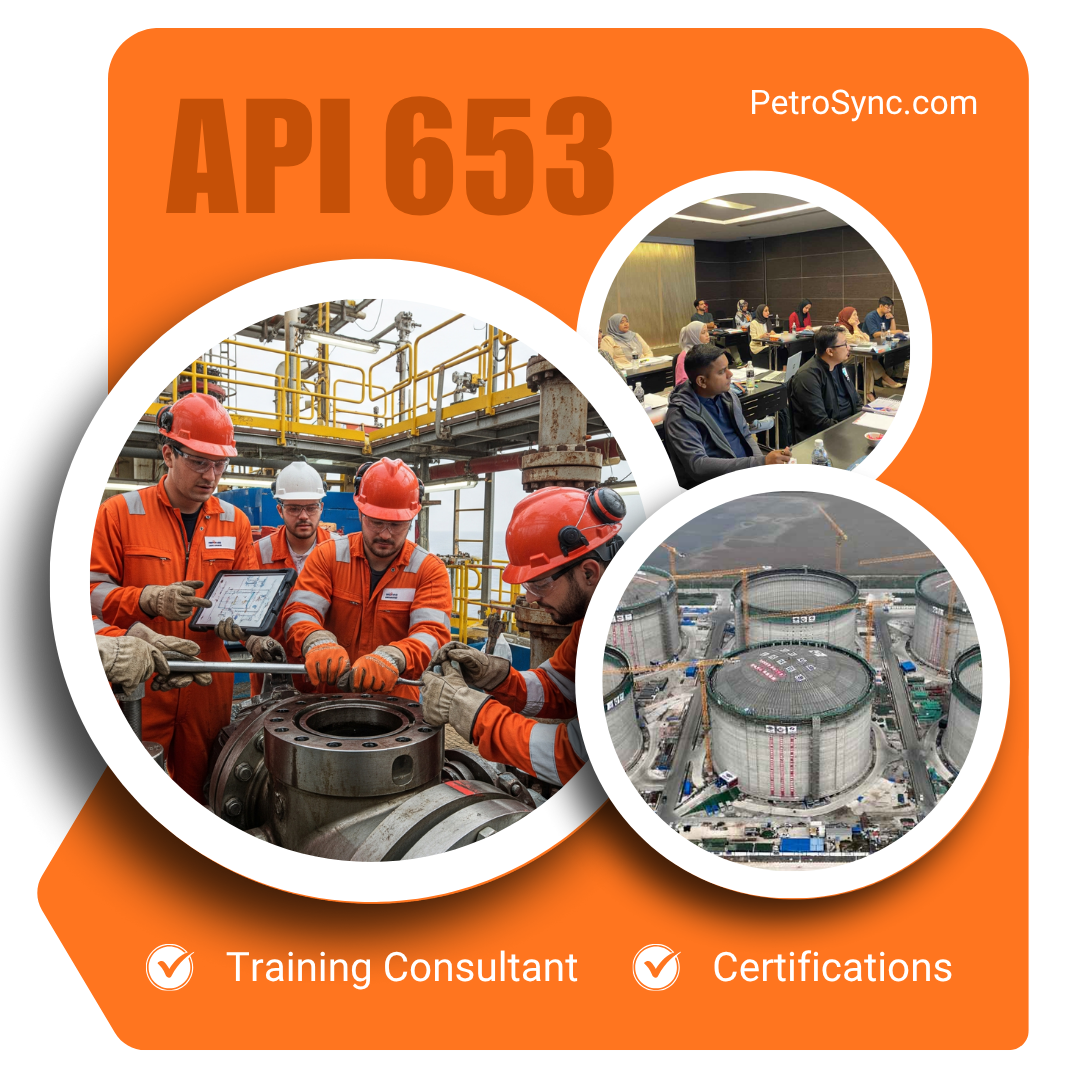


- API 653 is the global standard for inspecting, repairing, and maintaining aboveground storage tanks throughout their service life.
- Aging tanks face hidden risks like corrosion and settlement; structured inspections prevent small defects from turning into major failures.
- Poor implementation drives spills, downtime, regulatory penalties, and costly emergency repairs across oil and gas operations.
- Strong API 653 competency shifts teams from reactive fixes to proactive integrity management and smarter maintenance planning.
- Structured training and real case studies strengthen inspection decisions, improve compliance readiness, and protect long-term asset reliability.
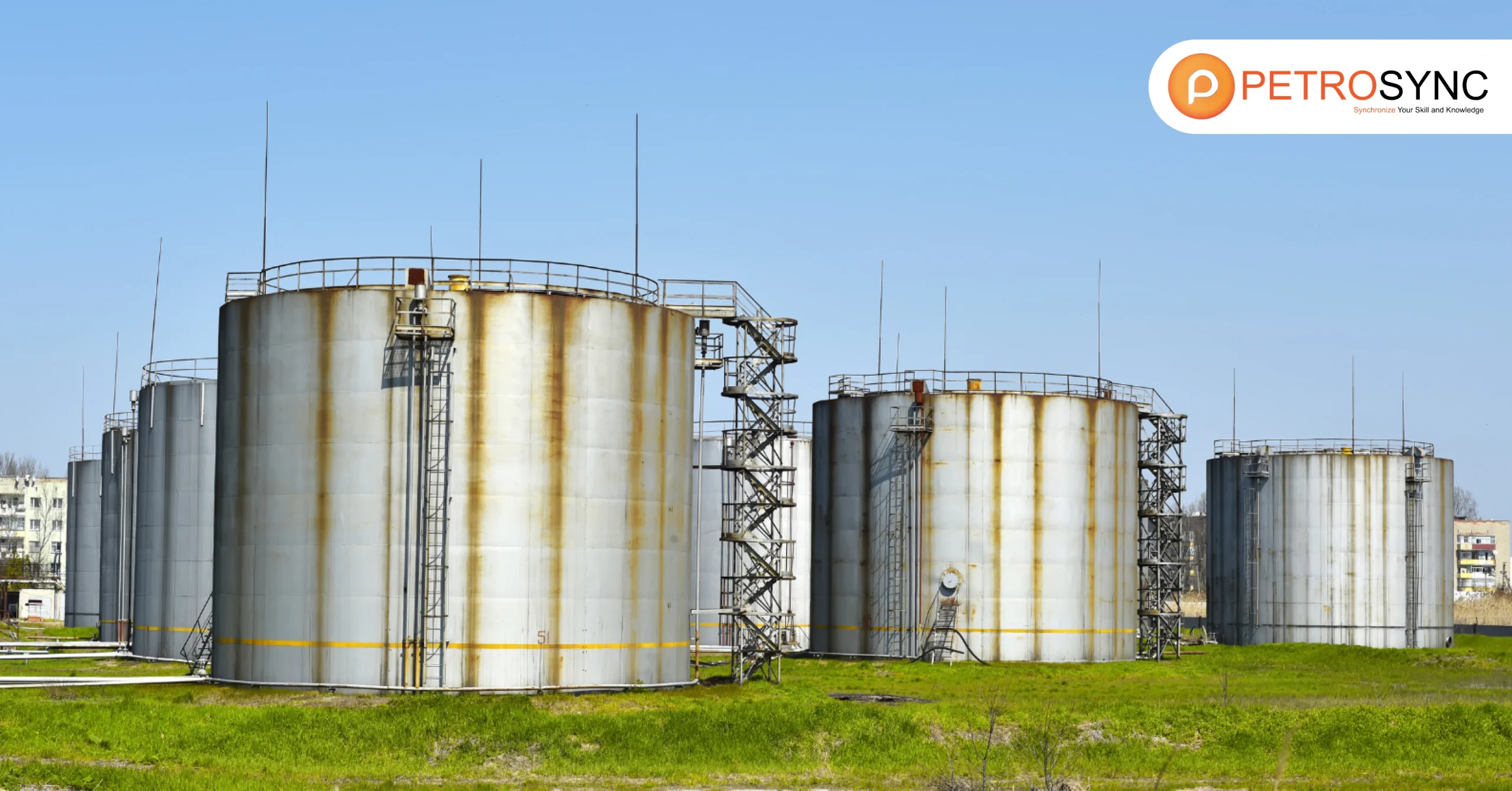
API 653 plays a critical role in maintaining the integrity of aboveground storage tank across oil and gas operations. These tanks are among the most valuable yet vulnerable assets, operating continuously while storing large volumes of hazardous materials—often far beyond their original design life.
Over time, exposure to corrosion, foundation settlement, operational stress, and environmental conditions gradually weakens tank integrity, frequently without visible warning signs. In many facilities, tank failures are not triggered by sudden overloads, but by the accumulation of small and overlooked degradation mechanisms.
Industry-wide incident reviews consistently highlight inadequate inspection planning and delayed integrity assessments as key contributors to tank-related losses. This reality explains why organizations with mature asset integrity programs rely on API 653 as a foundational standard—not only to meet compliance expectations, but to safeguard long-term operational performance, safety, and business continuity.
What is API 653?
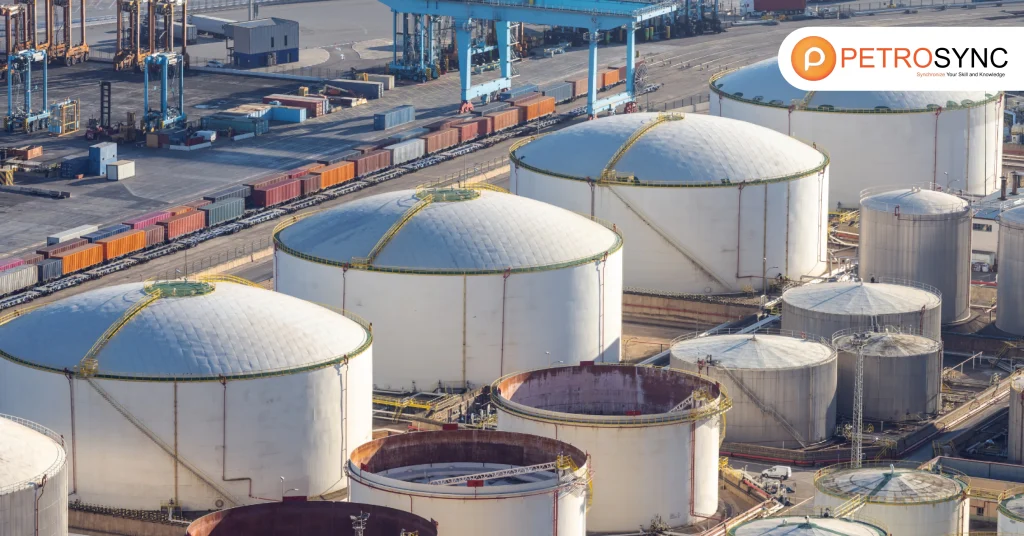
In modern oil and gas operations, storage tank are among the most critical assets supporting production continuity, logistics efficiency, and environmental safety. These tanks store crude oil, refined petroleum products, chemicals, and hazardous materials that must be handled under strict engineering and safety controls.
API 653 is an internationally recognized inspection standard developed by the American Petroleum Institute. The standard provides comprehensive guidance for the inspection, repair, alteration, and reconstruction of aboveground storage tanks after they have been placed into service.
Unlike construction standards that focus on building new tanks, API 653 addresses the challenges associated with aging infrastructure. Over time, tanks experience corrosion, foundation settlement, fatigue, coating degradation, and operational stress. API 653 ensures these risks are systematically evaluated so tanks remain safe and reliable throughout their lifecycle.
The standard covers several essential aspects, including:
- Inspection planning and scheduling
- Fitness-for-service assessment
- Remaining life calculations
- Repair and reconstruction requirements
- Welding and material evaluation
- Documentation and compliance practices
As global energy infrastructure continues to age, organizations increasingly rely on professionals who understand how to apply API 653 requirements effectively. Proper implementation enables companies to move from reactive maintenance toward proactive asset integrity management.
Potential Risks of Improper Management or Misunderstanding of API 653
Failing to properly manage API 653 requirements can expose organizations to operational disruption, financial losses, and safety incidents. Many major tank failures historically occurred not due to lack of standards—but due to insufficient competency in applying them.
1. Structural Failures Due to Neglected Tank Inspections
Aboveground storage tanks operate under continuous mechanical and chemical stress. Corrosion beneath tank bottoms, weld deterioration, or shell deformation may develop slowly and remain invisible without systematic inspection.
When inspection intervals are poorly planned or evaluation methods are misunderstood, early warning signs are missed. Structural failures may occur suddenly, resulting in tank collapse, leakage, or catastrophic rupture.
API 653 provides methodologies designed specifically to prevent these failures through structured inspection programs.
2. Increased Environmental & Safety Hazards
Tank incidents can lead to hydrocarbon spills, fires, toxic vapor releases, and soil contamination. These events not only endanger workers but also create long-term environmental liabilities.
Organizations that lack strong API 653 competency often struggle to identify integrity risks before incidents escalate. Effective inspection programs significantly reduce environmental exposure and improve overall safety culture.
3. Non-Compliance Penalties & Regulatory Issues
Many regulators worldwide recognize API standard as industry benchmarks. Companies unable to demonstrate compliance may face:
- Regulatory sanctions
- Operational restrictions
- Increased insurance costs
- Negative audit findings
Compliance is no longer viewed solely as regulatory obligation—it is a core component of corporate risk management.
4. Unplanned Downtime and Production Losses
Unexpected tank shutdowns directly impact supply chain reliability. When tanks fail or require emergency repairs, production schedules may be disrupted, affecting storage availability and downstream operations.
Proper application of API 653 enables predictive maintenance planning, allowing organizations to schedule inspections and repairs without interrupting operations.
5. Higher Maintenance & Repair Costs
Reactive maintenance strategies almost always cost more than preventive approaches. Without proper evaluation methods, companies may overestimate damage and perform unnecessary repairs—or underestimate defects that later require expensive reconstruction.
Competent API 653 implementation helps optimize maintenance decisions, balancing safety with cost efficiency.
Benefits of Mastering API 653 for the Oil & Gas Industry
Organizations that invest in API 653 competency development gain both operational and strategic advantages.
1. Aligned with API 653 Standards & Tank Inspection Practices
Professionals trained in API 653 understand how to plan inspections, interpret inspection data, and determine appropriate repair strategies. This alignment ensures consistent inspection quality across facilities and assets.
2. Practical & Applied Case Study Approach
Real industry challenges rarely follow textbook examples. Learning through practical case studies allows engineers to understand complex decision-making scenarios such as corrosion evaluation, settlement analysis, and repair prioritization.
3. Experienced Instructors from Global Industry Practitioners
Training delivered by experienced industry practitioners brings real-world context into the learning process. Participants gain insights drawn from actual field inspections, audits, and tank rehabilitation projects.
4. Curriculum Aligned with International Standards & Best Practices
API 653 knowledge becomes more powerful when integrated with broader integrity management concepts such as risk-based inspection, reliability engineering, and asset lifecycle management.
A well-designed curriculum ensures professionals understand how API 653 fits within overall operational strategy.
5. Trusted by Energy Companies & Global Industries
Energy companies worldwide increasingly prioritize workforce competency as part of operational excellence initiatives. Skilled personnel improve decision quality, safety performance, and organizational confidence.
6. International Reputation as an Oil & Gas Training Provider
Working with reputable international training providers ensures consistent knowledge transfer aligned with global industry expectations and professional standards.
How to Address API 653 Challenges More Effectively
Implementing API 653 successfully requires structured planning, organizational commitment, and continuous learning.
1. Develop Professional Competence through Structured Programs like PetroSync
Structured competency programs help professionals move beyond theoretical understanding toward practical capability. Participants learn inspection methodology, calculation techniques, and decision-making processes aligned with real operations.
2. Apply Relevant Industry Best Practices & Standards for API 653
API 653 should be integrated into company-wide asset integrity strategies. Standardized procedures reduce variability and improve consistency across multiple sites or operating regions.
3. Integrate API 653 Knowledge into Operational & Engineering Processes
Inspection findings must inform engineering decisions, maintenance planning, shutdown strategies, and risk assessments. Organizations that embed API 653 into daily workflows achieve stronger operational reliability.
4. Enhance Team Capability through Case Studies & Field Learning
Collaborative learning strengthens organizational capability. Discussion of real inspection cases allows teams to understand lessons learned and avoid repeating industry mistakes.
5. Conduct Evaluation, Review & Continuous Improvement
Competency development is an ongoing process. Regular reviews, internal audits, and performance evaluations ensure inspection programs evolve alongside operational challenges.
Competency Development Solutions for API 653 via PetroSync
PetroSync delivers competency development solutions designed specifically for oil and gas professionals managing storage tank integrity. The programs bridge the gap between engineering theory and operational execution, helping professionals confidently interpret inspection data, evaluate risks, and implement API 653 requirements effectively.
PetroSync focuses not only on passing knowledge but on improving real operational outcomes.
PetroSync API 653 Competency Development Programs for Oil & Gas Professionals
1. Curriculum Based on International Standards & Industry Practice
Training programs are developed using internationally recognized engineering standards combined with practical industry applications.
2. Experienced Instructors from Practitioners & Subject Matter Experts
Participants learn directly from instructors with extensive field experience in inspection engineering, asset integrity, and storage tank management.
3. Practical & Applied Learning Approach
PetroSync emphasizes applied learning, ensuring participants understand how standards are used in real operational scenarios rather than memorizing theoretical concepts.
4. Case Studies Based on Real Field Conditions
Real inspection cases allow participants to analyze failures, identify root causes, and develop effective solutions based on industry experience.
5. Public & In-House Program Schemes
Organizations can choose flexible learning formats including public training sessions or customized in-house programs aligned with project needs.
6. Always Updated & Relevant Learning Materials
Industry standards evolve continuously. PetroSync regularly updates training materials to reflect current engineering practices and operational requirements.
7. Learning Experience Support from Engineers to Management
Programs are designed for multidisciplinary teams—from inspectors and engineers to supervisors and management personnel responsible for asset integrity decisions.
8. Program Certificate for Competency & Career Development
Participants receive professional certification supporting both individual career growth and organizational competency recognition.
PetroSync API 653 Program Advantages for Companies
1. Relevant for Various Disciplines & Professional Levels
PetroSync programs accommodate inspectors, mechanical engineers, reliability specialists, asset managers, and operational leaders.
2. Focused on Competency Improvements with Real Impact
The objective is measurable improvement—better inspection planning, improved risk assessment, and enhanced operational safety.
3. Supports Compliance, Audits & Operational Reliability
Competent personnel strengthen regulatory compliance readiness and improve organizational confidence during audits and assessments.
4. Flexible for Project, Asset & Organizational Needs
Programs can be tailored based on project scope, asset complexity, or company competency development strategy.
5. Global Reputation & Experience in the Oil & Gas Industry
PetroSync has supported professionals across international energy markets, contributing to workforce development and operational excellence initiatives.
6. Trusted by Leading Companies Worldwide
Energy companies rely on PetroSync programs to enhance workforce capability while maintaining alignment with global inspection standards.
Schedule Your PetroSync API 653 Competency Program Now
As storage tanks continue to age and operational risks become more complex, API 653 competency becomes a strategic requirement rather than a technical option.
Organizations that invest in structured learning programs build stronger inspection capability, reduce operational risk, and improve long-term asset reliability.
PetroSync’s API 653 competency development programs help professionals translate technical standards into confident operational decisions. Empower your workforce. Improve compliance. Strengthen asset integrity.
Schedule your PetroSync API 653 Competency Development Program today and ensure your storage tank operations remain safe, compliant, and reliable for the future.
Frequently Asked Questions (FAQ)
API 653 is an internationally recognized inspection standard developed by the American Petroleum Institute for aboveground storage tanks. It provides guidance for inspection, repair, alteration, and reconstruction to ensure tank integrity, safety, and long-term operational reliability.
Improper implementation can lead to structural failures, environmental incidents, regulatory penalties, unplanned downtime, and higher repair costs. Many tank failures occur due to inadequate inspection planning and insufficient competency in applying the standard.
API 653 provides structured inspection methodologies, remaining life calculations, and fitness-for-service assessments. These processes help detect corrosion, settlement, and other degradation mechanisms before they escalate into serious failures.
Inspectors, mechanical engineers, reliability specialists, asset managers, and operational leaders involved in storage tank management should develop API 653 competency to improve inspection quality, compliance readiness, and asset integrity decision-making.
Organizations can strengthen implementation by integrating API 653 into asset integrity strategies, investing in structured training programs, applying standardized inspection procedures, and conducting continuous evaluation and improvement.

Results-oriented and thorough SEO specialist with extensive experience in conducting keyword research, developing and implementing digital website promotion strategies and plans, managing campaigns to develop company websites in the digital world, excellent knowledge of marketing techniques and principles, and attentive strong attention to detail.