

- Well Completion & Workover is a critical phase that shapes production stability, safety outcomes, and long-term asset value in oil & gas operations.
- Poor design or weak pressure control can trigger equipment failure, safety incidents, downtime, and costly regulatory penalties.
- Strategic completion planning and timely intervention extend well life, improve flow efficiency, and protect reservoir performance.
- Advanced methods like Coiled Tubing reduce rig time, cut costs, and enable faster, lower-risk intervention activities.
- Structured training and strong well control practices build competent teams, minimize incidents, and safeguard operational reliability.
Well Completion and Workover remain two of the most decisive phases in the lifecycle of an oil and gas well. In a capital-intensive industry where a single operational mistake can cost millions, the technical precision and strategic planning behind completion and intervention activities directly influence production sustainability, safety performance, and long-term asset value.
For drilling engineers, well engineers, production supervisors, and asset managers, mastering these disciplines is not optional—it is fundamental. This is why structured Well Completion and Workover Training has become increasingly important for companies aiming to reduce risk while optimizing performance.
What is Well Completion & Workover?
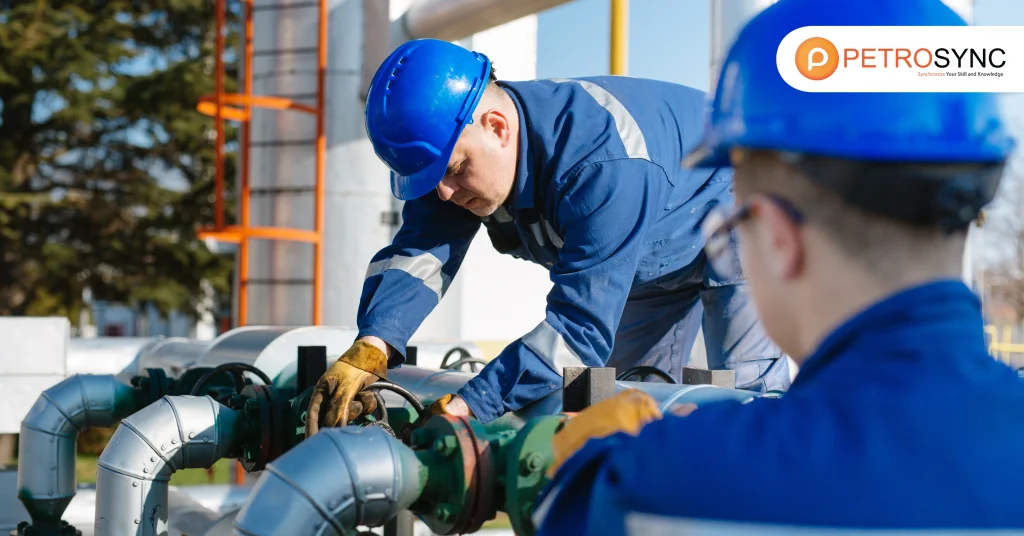
Well Completion refers to the process of preparing a drilled well for safe hydrocarbon production. It involves installing tubing, packers, downhole safety valves, sand control systems, and surface production equipment. Proper completion design ensures pressure containment, zonal isolation, and efficient reservoir flow.
Workover, meanwhile, involves intervention activities performed on an existing well to restore, maintain, or enhance production. Workover operations may include:
- Tubing replacement
- Packer retrieval
- Zonal recompletion
- Mechanical repairs
- Well Stimulation treatments such as acidizing or hydraulic fracturing
In many cases, modern workover operations utilize Coiled Tubing, which allows for efficient well intervention without removing the production tubing. Coiled tubing enables circulation, cleanouts, stimulation, and logging operations while minimizing downtime.
Both completion and workover operations must integrate strict Well Control principles to maintain pressure barriers and prevent blowouts during intervention activities.
Potential Risks of Improper Management or Misunderstanding of Well Compeltion & Workover
1. Equipment Failure Leading to Operational Downtime
Incorrect material selection or improper completion design can lead to tubing collapse, seal failure, or packer malfunction. During workover, improper pressure control may damage downhole components, leading to extended shutdown periods.
2. Increased Safety Hazards for Field Personnel
Completion and workover operations involve high-pressure systems and potentially hazardous fluids. Without strong Well Control practices, intervention activities can escalate into serious well control incidents.
3. Reduced Reservoir Productivity & Efficiency
Improper perforation design or ineffective Well Stimulation may permanently impair formation permeability, reducing long-term production potential.
4. Environmental Contamination Risks
Failure to maintain well integrity barriers may result in hydrocarbon leakage or formation fluid migration, causing environmental damage and reputational harm.
5. Regulatory Non-Compliance Penalties
Global operations are guided by standards from organizations such as American Petroleum Institute and American Society of Mechanical Engineers. Non-compliance with industry standards can result in fines, legal exposure, and operational suspension.
Benefits of Mastering Well Completion & Workover for the Oil & Gas Industry
1. Enhanced Well Performance & Longevity
Strategic completion design combined with timely workover and Well Stimulation programs maximizes reservoir contact and extends productive life.
2. Improved Operational Efficiency & Cost Savings
The use of advanced intervention methods such as Coiled Tubing reduces rig time, lowers mobilization costs, and improves operational flexibility.
3. Minimized Safety & Environmental Risks
Strong Well Control procedures and barrier management significantly reduce the likelihood of blowouts or pressure-related incidents.
4. Strengthened Regulatory ComplianceAlignment with API and ASME codes ensures
operations meet international standards and pass regulatory scrutiny.
5. Optimized Asset Management & Maintenance
Integrated completion and workover planning enhances lifecycle asset performance and long-term economic returns.
Improved Safety & Operational Reliability
1. Systematic Planning & Risk Assessment
Pre-job planning includes hazard identification, pressure modeling, and contingency mapping to maintain control during complex intervention activities.
2. Real-Time Monitoring During Operations
Real-time pressure and flow monitoring during workover or Coiled Tubing operations enables early anomaly detection and rapid response.
3. Skilled Personnel & Proper Training
Operational excellence depends on competent engineers and supervisors. Comprehensive Well Completion and Workover Training ensures personnel understand equipment behavior, stimulation methods, and pressure control protocols.
4. Standardized Operational Procedures
Clear standard operating procedures reduce variability and reinforce safe execution, especially during Well Control critical stages.
5. Emergency Response Preparedness
Preparedness drills and barrier verification systems ensure teams can respond effectively to pressure kicks or unexpected well behavior.
Compliance with Industry Standards, Codes & Regulations
1. Adherence to API & ASME Guidelines
Completion equipment, pressure control devices, and intervention tools must comply with international mechanical and safety codes.
2. Internal Audits & Inspections
Regular inspections validate tubing integrity, packer performance, and surface equipment condition.
3. Documentation & Reporting Practices
Accurate reporting of workover activities, stimulation parameters, and pressure testing ensures traceability.
4. Regulatory Updates Integration
Organizations must continuously adapt operational practices to evolving global regulations.
5. Certification & Competency Verification
Certified professionals with formal Well Completion and Workover Training demonstrate validated expertise and improve operational reliability.

Reduced Asset Failure & Field Incident Risks
1. Predictive Maintenance Implementation
Monitoring trends in tubing pressure and production rates helps detect early signs of scaling, corrosion, or mechanical wear.
2. Proper Well Intervention Techniques
Selecting the right intervention method—whether Coiled Tubing, snubbing, or conventional rig workover—minimizes operational stress.
3. Continuous Monitoring & Assessment
Routine evaluation of well performance ensures early detection of decline trends.
4. Equipment Integrity Management
Integrity management programs maintain casing, tubing, and wellhead performance within design parameters.
5. Corrective Action Procedures
Timely corrective workovers and targeted Well Stimulation treatments restore production while maintaining structural safety.
Optimized Equipment Performance, Lifespan & Integrity
1. Selection of Suitable Tools & Materials
Material selection must account for pressure, temperature, corrosion potential, and stimulation compatibility.
2. Regular Inspections & Condition Monitoring
Ongoing monitoring reduces unexpected failures and supports predictive maintenance.
3. Timely Workover & Remedial Actions
Strategic intervention extends well life and prevents expensive catastrophic failure.
4. Effective Lubrication & Protection Measures
Corrosion inhibition and scaling prevention maintain long-term performance.
5. Asset Lifecycle Management
Integrating completion strategy with future workover planning supports sustainable production economics.
Cost Efficiency in Operations, Maintenance & Downtime
1. Minimized Non-Productive Time (NPT)
Advanced planning and experienced crews reduce delays during workover or stimulation operations.
2. Efficient Resource Allocation
Using Coiled Tubing instead of full rig mobilization significantly improves cost efficiency in many intervention scenarios.
3. Preventive vs Corrective Cost Analysis
Investing in structured Well Completion and Workover Training reduces the likelihood of high-cost corrective failures.
4. Reduced Risk of Expensive Failures
Proper Well Control practices protect against incidents that could result in major financial losses.
5. Streamlined Operational Planning
Cross-functional planning aligns drilling, production, and intervention strategies for optimized field performance.
How to Address Well Completion & Workover Challenges More Effectively
1. Develop Professional Competence through Structured Programs like PetroSync
Continuous capability enhancement through formal Well Completion and Workover Training builds technical depth and operational discipline.
2. Apply Relevant Industry Best Practices & Standards for Well Completion & Workover
Integrate global best practices in completion design, Well Control, and Well Stimulation planning.
3. Integrate Well Completion & Workover Knowledge into Operational & Engineering Processes
Ensure engineering design aligns with field execution realities, including intervention tool selection such as Coiled Tubing systems.
4. Enhance Team Capability through Case Studies & Field Learning
Case-based learning bridges theoretical understanding with real-world decision-making.
5. Conduct Evaluation, Review & Continuous Improvement
Post-operation reviews drive performance improvement and operational excellence.
General Competency Development Solutions for Well Completion & Workover
Effective competency programs should include:
- Completion design engineering
- Workover execution planning
- Well Control certification
- Advanced Well Stimulation techniques
- Intervention technologies including Coiled Tubing
- Risk and integrity management
A holistic development approach ensures engineers understand both technical execution and strategic impact.
PetroSync Well Completion & Workover Competency Development Programs for Oil & Gas Professionals
1. Designed for Drilling & Well Operational Challenges
2. Practical & Applied Case Study Approach
3. Experienced Instructors from Global Industry Practitioners
4. Curriculum Aligned with International Standards & Best Practices
5. Trusted by Energy Companies & Global Industries
6. International Reputation as an Oil & Gas Training Provider
PetroSync programs integrate completion engineering, intervention technologies, Well Control, and Well Stimulation strategies into one comprehensive learning framework—ensuring participants gain immediately applicable expertise.
Schedule Your PetroSync Well Completion & Workover Competency Program Now
In a high-risk, high-investment industry, operational excellence begins with technical mastery. Strengthen your team’s expertise in Well Completion and Workover, enhance safety through advanced Well Control, improve productivity via optimized Well Stimulation, and leverage modern intervention solutions such as Coiled Tubing.
The right knowledge today protects your asset performance tomorrow.
Frequently Asked Questions (FAQ)
Well completion prepares a drilled well for safe hydrocarbon production by installing tubing, packers, safety valves, and surface equipment. Workover involves intervention activities on an existing well to restore, maintain, or enhance production through repairs, recompletion, or stimulation.
Both phases directly influence production sustainability, operational safety, and long-term asset value. Proper design, pressure control, and timely intervention extend well life, improve reservoir flow, and reduce costly failures.
Poor planning or execution can lead to equipment failure, well control incidents, environmental contamination, reduced reservoir productivity, and regulatory penalties due to non-compliance with industry standards.
Coiled tubing enables well intervention without removing production tubing, allowing circulation, cleanouts, stimulation, and logging operations while minimizing downtime, reducing rig time, and lowering operational costs.
Structured training strengthens technical competence in completion design, well control, stimulation methods, and intervention planning. It reduces operational risks, improves compliance with international standards, and enhances overall field reliability.

Results-oriented and thorough SEO specialist with extensive experience in conducting keyword research, developing and implementing digital website promotion strategies and plans, managing campaigns to develop company websites in the digital world, excellent knowledge of marketing techniques and principles, and attentive strong attention to detail.