

1. Oil refinery operations are a strategic driver of safety, efficiency, and profitability, not just a technical function.
2. An oil refinery is an industrial facility that converts crude oil into fuels and products supporting transport, industry, and daily life.
3. Refining follows four core stages: distillation, conversion, treatment, and distribution, each requiring strict control and safety discipline.
4. Strong safety culture and preventive maintenance can cut industrial incidents by up to 40% while protecting assets and revenue.
5. Digital automation, predictive maintenance, and skilled teams boost throughput, cut downtime, and strengthen long-term competitiveness.
Oil refinery operations today face unprecedented pressure to deliver maximum performance and uncompromised safety across every stage of production. As global energy demand continues to rise and industry standards grow stricter, refinery leaders, senior engineers, and executives must manage complex challenges—from fluctuating crude oil quality and volatile market trends to the rapid evolutionz of digital industrial technologies.
Achieving operational excellence in oil refinery environments is not merely a technical task; it is a strategic business imperative. Sustainable performance requires deep process understanding, risk awareness, and an aligned organizational culture that prioritizes both efficiency and safety.
Before exploring best practices and the strategies leading facilities are implementing, it is essential to understand what an oil refinery is and how it works.
What is an Oil Refinery?
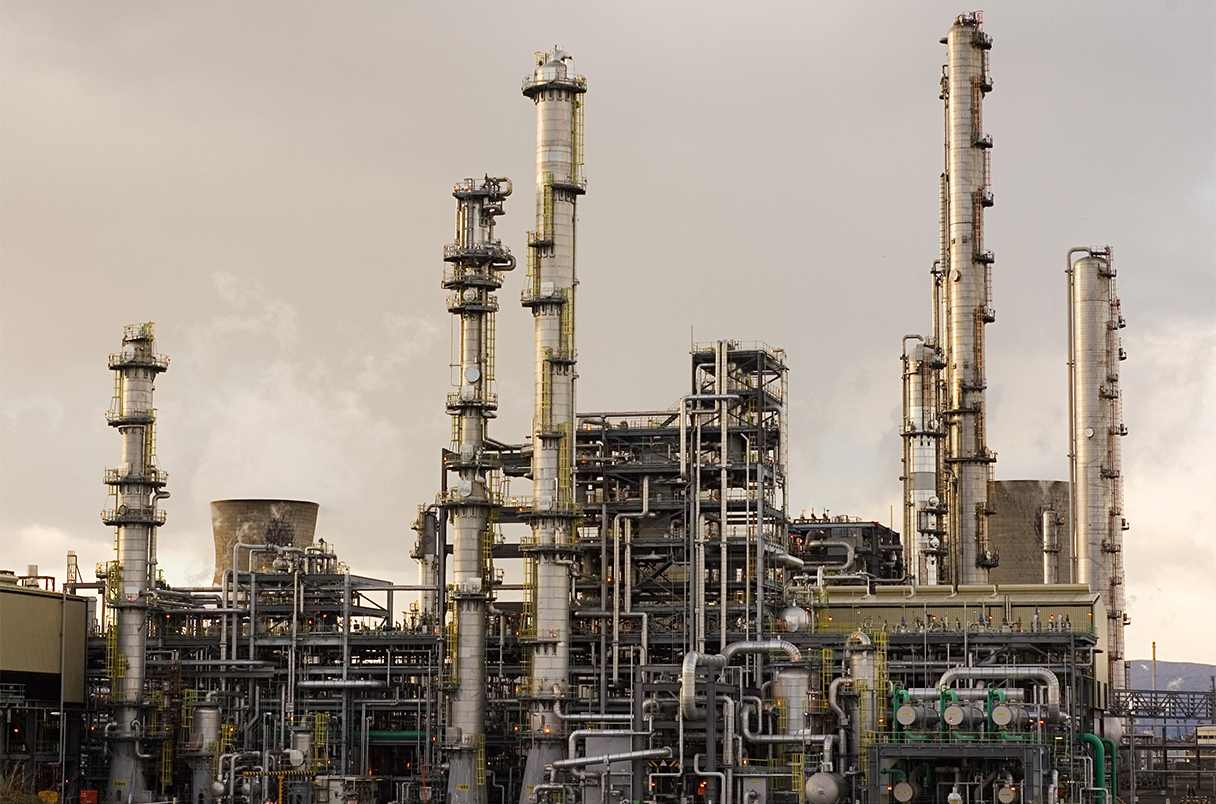
An oil refinery is an industrial processing facility that converts crude oil into valuable and usable petroleum products such as gasoline, diesel fuel, aviation turbine fuel, LPG, lubricants, petrochemical feedstocks, and asphalt.
Refineries play a critical role in global energy security by transforming raw hydrocarbons into high-quality commercial outputs that support transportation, manufacturing, construction, power generation, and households.
According to research published in the Journal of Cleaner Production, refinery optimization and modern upgrading strategies can increase operational efficiency by up to 20–30%, significantly improving cost performance and reducing emissions. These gains translate directly into business growth and long-term competitiveness, especially for companies operating in high-demand regions.
How Does an Oil Refinery Work?
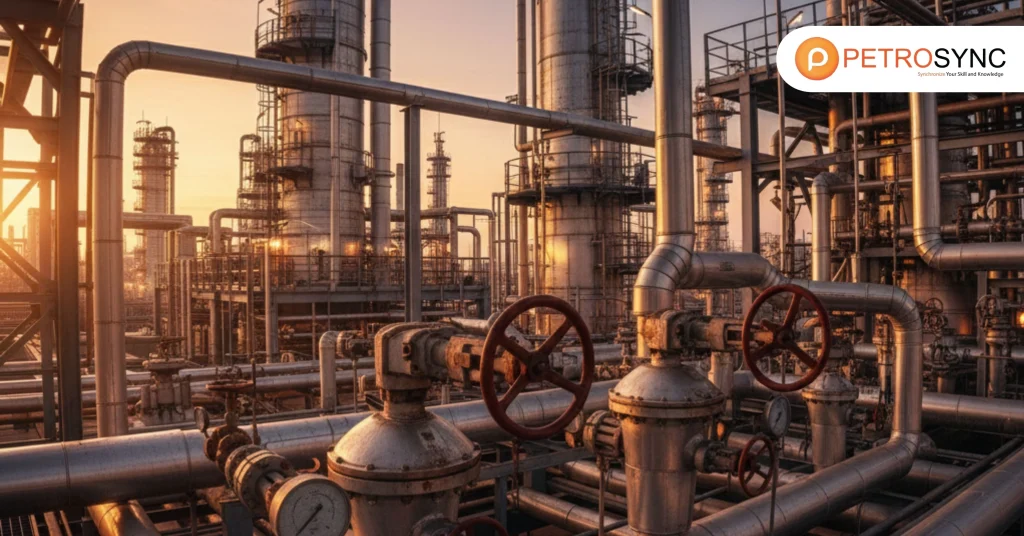
Oil refinery operations rely on complex physical and chemical processes that separate, convert, and purify crude oil into finished products that meet strict international specifications. Each refinery may differ slightly based on feedstock type and market requirements, but the fundamental workflow remains consistent.
Refining involves four core stages:
1. Distillation
2. Conversion
3. Treatment
4. Product storage and distribution
Every stage requires precise control, robust asset reliability, and disciplined safety management to prevent operational disruptions or catastrophic failures.
Why Oil Refinery Operations Matter for Safety and Efficiency
Refinery performance directly impacts economic output, environmental compliance, and workforce safety. An operational failure can result in:
1. Production downtime and revenue loss
2. Equipment damage or asset retirement
3. Environmental incidents and regulatory penalties
4. Injuries or loss of life
Research in the International Journal of Environmental Research and Public Health highlights that improved safety and preventive maintenance strategies can reduce industrial incidents by up to 40%, proving that safety excellence and operational efficiency are strongly interconnected.
In other words, safety is not a cost center—safety is a profitability strategy.
Key Stages in the Oil Refinery Process
1. Distillation: Separating Crude Oil into Fractions
The refining process begins with atmospheric and vacuum distillation, where crude oil is heated and separated into fractions based on boiling points. Light products rise to the top of the distillation column, while heavier components are collected at the bottom. This step determines downstream process load and final product quality.
2. Conversion: Breaking Down Heavy Hydrocarbons
Conversion units—such as catalytic cracking, hydrocracking, and coking—transform heavier molecules into lighter, more valuable fuels. This step maximizes refinery output by increasing yield from lower-value fractions.
3. Treatment and Blending: Removing Impurities and Achieving Specifications
Hydrotreating removes sulfur, nitrogen, and metals to meet strict environmental and fuel specifications. Blending then adjusts product characteristics such as octane, stability, and vapor pressure.
4. Storage and Distribution: Delivering Finished Products Safely
Refined products are stored in engineered tank systems and distributed through pipelines, terminals, and transportation fleets. This phase demands meticulous monitoring, automation, leak detection, and emergency response preparedness.
Best Practices to Optimize Oil Refinery Performance
1. Implementing Predictive Maintenance and Reliability Programs
Predictive analytics and reliability-centered maintenance (RCM) reduce unplanned shutdowns and extend asset lifespan. Multiple studies show that predictive maintenance can cut equipment failures by 55% and reduce maintenance expense by up to 30%.
2. Leveraging Process Automation and Digital Monitoring
Digital transformation—IoT sensors, AI-based process control, and real-time data visibility—enhances efficiency, speeds decision-making, and improves plant stability. Modern digital control systems are proven to boost refinery throughput by 5–10% while minimizing energy waste.
3. Enhancing Safety Culture and HSE Compliance
A strongStrong safety culture is essential to preventing refinery disasters. Leaders must engage teams through proactive risk awareness, transparent communication, and disciplined adherence to safety standards.
4. Continuous Workforce Training and Skill Development
Technology is evolving faster than workforce competency in many industrial environments, making continuous training a critical investment. Skilled teams respond faster, innovate stronger, and contribute more directly to operational excellence.
How PetroSync Training Helps Engineers and Leaders Master Oil Refinery Operations
If you are a senior engineer, operational leader, or decision-maker aiming to elevate refinery performance, expert-level training is essential to understanding complex refinery processes, identifying efficiency gaps, and improving plant reliability and safety.
PetroSync offers specialized refinery operation programs designed for managers, engineers, and executives who seek a deeper understanding of refinery optimization strategies, process safety management, and reliability-focused decision making.
The training is structured using real case studies, global best practices, and hands-on problem-solving discussions to improve technical competence and leadership capability.
With the right training, organizations can:
– Strengthen safety culture and reduce operational risks
– Improve refinery throughput and energy efficiency
– Build more resilient and future-ready teams
– Achieve higher productivity and measurable business value
If you are preparing to lead refinery improvements or scale operational excellence, this is the right time to invest in professional competency development. PetroSync enables you to learn directly from industry experts and apply proven strategies that deliver real performance results.
Frequently Asked Questions (FAQ)
An oil refinery is an industrial facility that converts crude oil into usable fuels and products, supporting energy security, industry operations, and economic growth.
Oil refineries process crude oil through four main stages: distillation, conversion, treatment, and storage and distribution to meet product specifications.
Refinery operations directly affect production reliability, environmental compliance, and worker safety, where failures can lead to downtime, accidents, and financial loss.
Predictive maintenance, digital automation, strong safety culture, and continuous workforce training help refineries reduce failures and improve throughput.
Specialized training equips engineers and leaders with process knowledge, safety insights, and optimization strategies to improve reliability and business performance.

Results-oriented and thorough SEO specialist with extensive experience in conducting keyword research, developing and implementing digital website promotion strategies and plans, managing campaigns to develop company websites in the digital world, excellent knowledge of marketing techniques and principles, and attentive strong attention to detail.