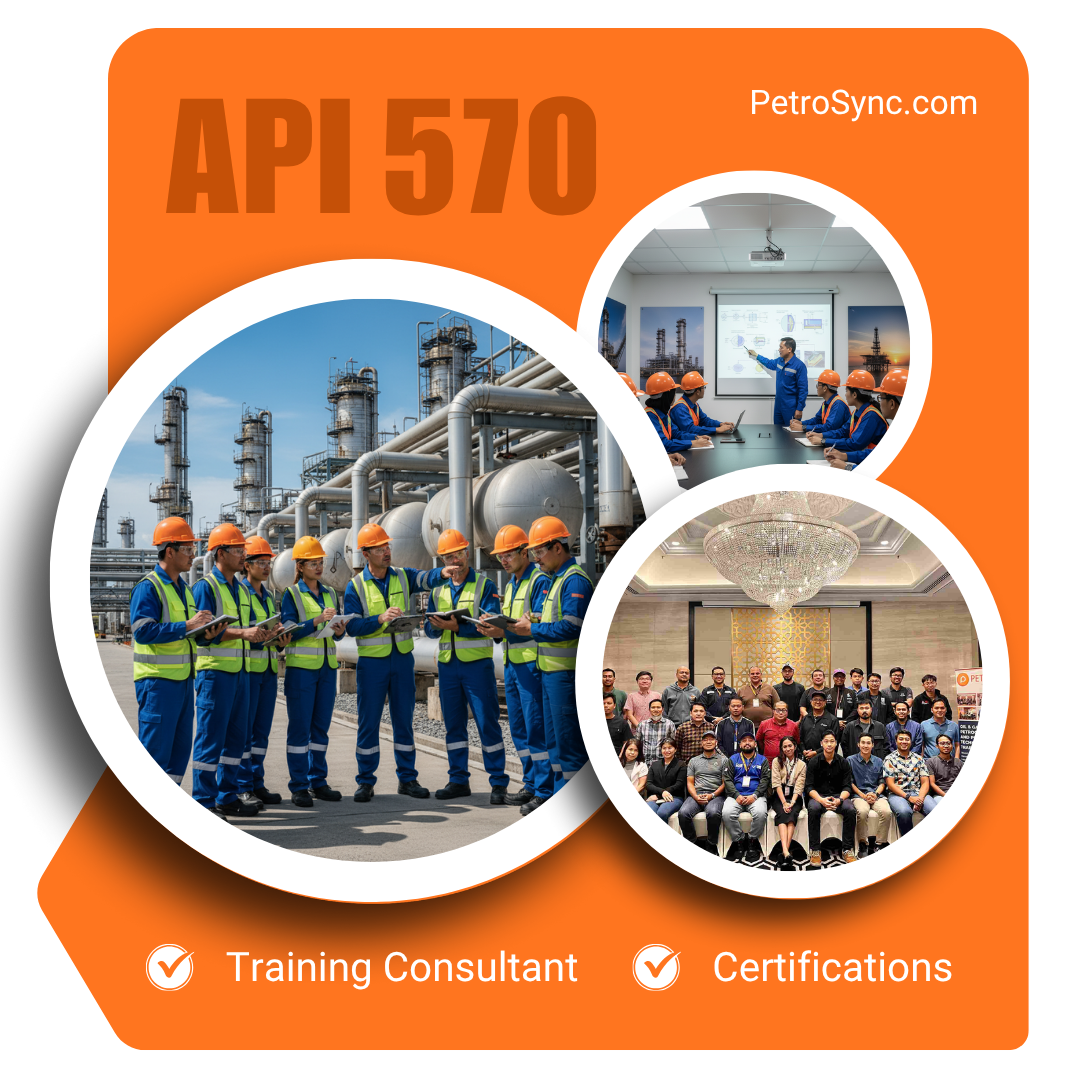


- API 570 Course is a specialized program that builds piping inspection skills, strengthens compliance, and improves decision-making in operating environments.
- Early defect detection reduces failures, improves safety, and keeps production stable with fewer unexpected breakdowns.
- Standardized inspection framework boosts audit readiness, improves records accuracy, and lowers compliance risks.
- Risk-based evaluation helps teams act faster, cut incident potential, and reduce reactive maintenance costs.
- Better lifecycle decisions extend asset life, minimize downtime, and improve maintenance ROI and budget predictability.
API 570 Course is widely regarded as one of the most valuable development programs for professionals who oversee piping systems in the oil and gas sector. It supports engineers, inspectors, managers, and technical decision-makers in strengthening their understanding of piping integrity, improving compliance preparedness, and making better inspection judgments in live operating environments.
Piping systems are essential to the operation of refineries, petrochemical plant, LNG terminals, and various processing facilities. They move products continuously, link critical process units, and help maintain smooth day-to-day performance. When their condition starts to decline, businesses may encounter leaks, expensive shutdowns, higher maintenance costs, greater safety risks, and reduced operating efficiency.
Because of these challenges, many companies enroll their teams in the API 570 Course to build stronger in-house expertise. Its benefits extend far beyond obtaining a certification. The program helps shape capable professionals who can protect critical assets, reduce operational exposure, and support sustainable business performance over the long term.
What is API 570 Course?
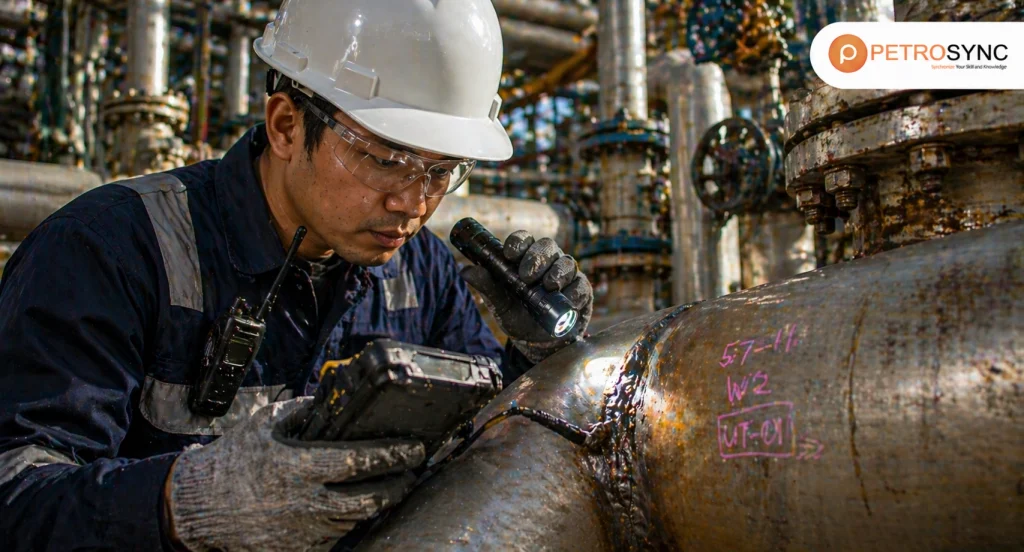
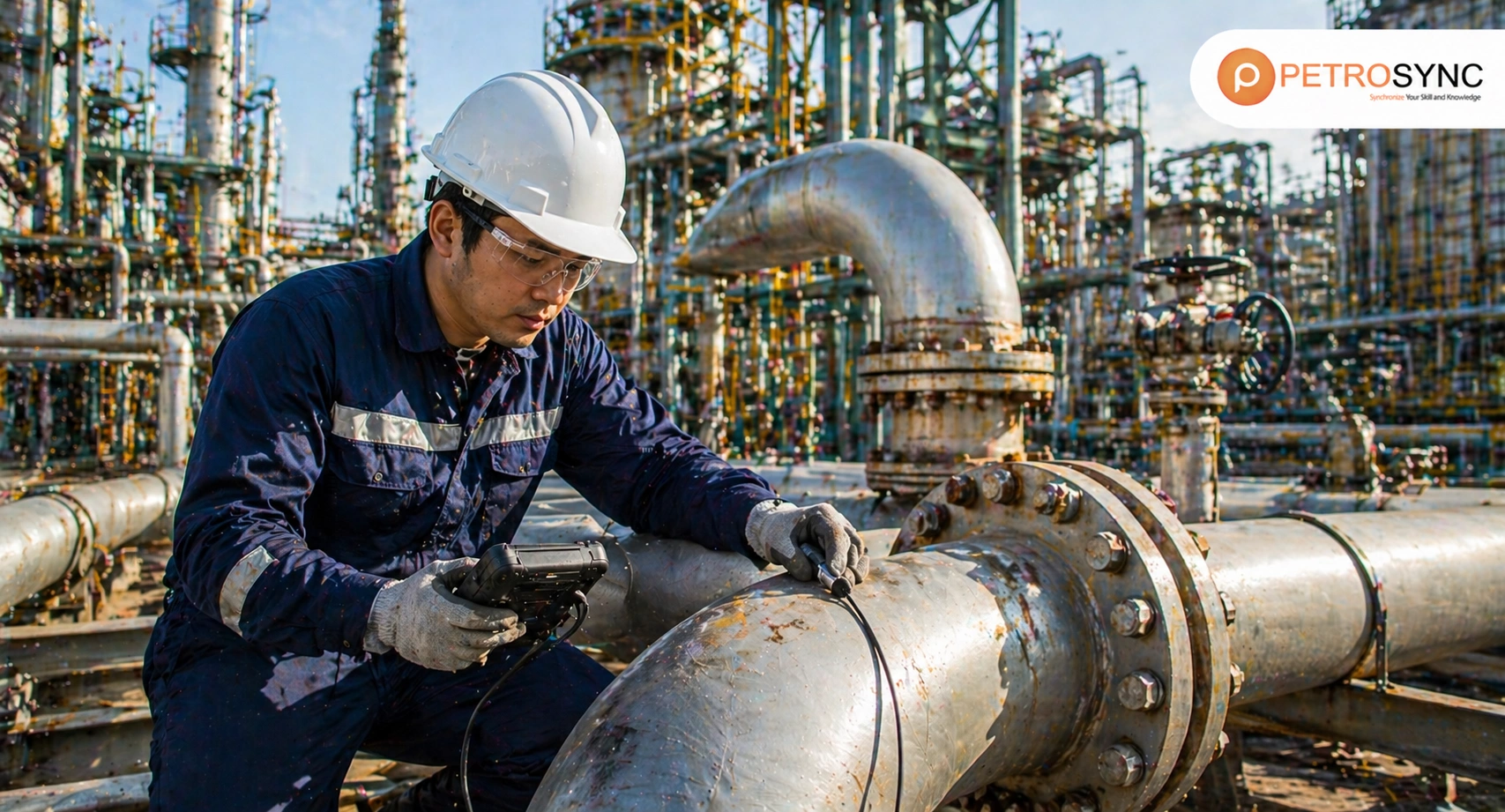
API 570 Course is a specialized training program built around the API 570 Piping Inspection Code. It prepares participants to inspect, repair, alter, rerate, and manage in-service piping systems in a safe and effective manner.
API 570 is highly respected throughout the global energy industry because piping systems are continuously exposed to pressure, fluctuating temperatures, corrosion, vibration, and demanding process conditions. Without proper inspection discipline, these operating stresses can lead to sudden and expensive failures.
A standard API 570 Course commonly includes:
- API 570 code requirements
- Inspection planning and scheduling
- Corrosion mechanisms
- Thickness evaluation
- Remaining life assessment
- Repair and rerating practices
- Welding and NDE fundamentals
- Certification preparation
For many organizations, building API 570 competency helps improve reliability programs while giving technical teams greater confidence in day-to-day decisions.
Key Benefits of Mastering API 570 Course for the Oil & Gas Industry
1. Improved Safety & Operational Reliability
Minor piping defects can grow into serious incidents when they are not addressed early. Corrosion, wall thinning, leaks, vibration damage, and cracking often progress gradually before a failure becomes visible.
The API 570 Course helps teams identify warning signs sooner and respond more effectively. This leads to safer facilities and more stable production performance.
Business Impact:
- Fewer unexpected breakdowns
- Safer work environments
- Better maintenance preparation
- More reliable production continuity
2. Compliance with Industry Standards, Codes & Regulations
Energy companies are expected to maintain clear inspection systems that satisfy internal governance and external regulatory requirements. Weak compliance practices may result in audit issues, delays, and higher exposure to operational risk.
API 570 provides a recognized framework for managing piping integrity according to accepted industry standards.
Business Value:
- Stronger governance readiness
- More accurate inspection records
- Lower compliance exposure
- Greater confidence during audits
3. Reduced Asset Failure & Field Incident Risks
Unexpected piping failures often create wider operational problems. A single leak can trigger shutdowns, emergency repair costs, contractor mobilization, and lost production time.
The API 570 Course teaches participants how to review condition data, prioritize risk, and act before problems escalate.
Business Value:
- Lower reactive maintenance spending
- Reduced incident potential
- Faster technical decisions
- Better use of resources
4. Optimized Equipment Performance, Lifespan & Integrity
Replacing piping systems too early can waste capital. Delaying replacement too long can increase reliability and safety risks.
API 570 helps teams use corrosion rates, thickness readings, and remaining life calculations to make balanced lifecycle decisions.
Business Value:
- Longer usable asset life
- Smarter replacement timing
- Better capital efficiency
- Stronger integrity confidence
5. Cost Efficiency in Operations, Maintenance & Downtime
Unplanned downtime remains one of the most expensive hidden burdens in industrial operations. Interruptions can affect production targets, delivery commitments, and profit margins.
With stronger inspection programs, organizations can minimize emergency shutdowns and allocate maintenance budgets more effectively.
Business Value:
- Lower downtime exposure
- Better maintenance return on investment
- More predictable budgets
- Improved equipment availability
Advance Your Inspection Career with PetroSync’s API 570 Course
Professionals who understand piping inspection continue to be highly valued across refineries, petrochemical plants, offshore facilities, and energy infrastructure projects.
PetroSync’s API 570 Course is created for participants who want practical learning, certification readiness, and measurable business value. The program blends technical depth with real-world application, allowing participants to apply new knowledge immediately after training.

What Is API 570 Course Objective by PetroSync?
The objective of the training is to help participants gain a complete understanding of API 570 and the supporting codes required for certification and practical field application. Key study areas include:
- API 570: inspection methods, remaining life calculations, degradation mechanisms, repair and rerating of in-service piping systems, plus connections to ASME codes
- ASME Section V: principles and applications of non-destructive examination
- ASME Section IX: welding and brazing qualifications, procedures, and requirements
- ASME B31.3: process piping design review, welding, heat treatment, inspection, and leak testing
- ASME B16.5: design and repair of flanges and flanged fittings
- Damage mechanisms affecting fixed equipment such as fatigue, corrosion, sulfidation, MIC, and HTTA
- API 574: piping component inspection practices
- API RP 577: welding inspection and metallurgy recommended practices
- API RP 578: material verification for alloy piping systems
What Is API 570 Course Outline by PetroSync?
1. Day 1
- Benchmark quiz
- Introduction to API 570 certification
- ASME B31.3 process piping fundamentals
- Scope and applicability
- Fluid service classifications
- Joint quality factors
- Allowable stress limits
- Internal pressure design
- Permanent blanks design
- Impact testing for low temperature service
- Welding preheat requirements
- PWHT requirements and hardness testing
- Inspection and testing basics
- NDE requirements
- Leak testing methods
- Thermal expansion of piping
- Introduction to ASME B16.5 flanges and fittings
2. Day 2
- ASME B16.5 scope and ratings
- Materials and dimensions
- System pressure testing
- API 570 scope and definitions
- Owner-user inspection organization
- Inspector qualification and certification
- Inspection practices
- Risk-based inspection concepts
- Preparation for inspection
- Corrosion and cracking inspection methods
- Thickness measurement locations
- Weld inspection in service
- Flanged joint inspection
3. Day 3
- Inspection frequency and extent
- Piping service classes
- Inspection intervals
- External and CUI inspections
- Data analysis and recording
- Corrosion rate calculations
- MAWP determination
- Repairs, alterations, rerating
- Welding and hot tapping
- Buried piping inspection methods
- Repair requirements for buried systems
4. Day 4
- ASME Section IX welding qualifications
- Reviewing WPS and PQR documents
- Essential and nonessential variables
- Mechanical test requirements
- Acceptance criteria review
- ASME Section V NDE methods
- Radiography
- Liquid penetrant testing
- Magnetic particle testing
- Visual examination
- Leak testing
- API RP 574 piping, valves, tubing, and fittings inspection
5. Day 5
- API RP 571 damage mechanisms in refining
- Brittle fracture
- Thermal fatigue
- Erosion and erosion-corrosion
- Mechanical fatigue
- Vibration fatigue
- Atmospheric corrosion
- Corrosion under insulation (CUI)
- Boiler condensate corrosion
- Flue gas dew point corrosion
- MIC
- Soil corrosion
- Sulfidation
- Chloride stress corrosion cracking
- Caustic cracking
- High temperature hydrogen attack
- API RP 577 welding inspection and metallurgy
- API RP 578 material verification programs
Who Should Attend API 570 Course by PetroSync?
This course is especially beneficial for Engineers, Supervisors, and Managers from disciplines such as:
- Mechanical Engineering
- Inspection
- Maintenance and Operations
- Technical and Engineering
- QA/QC
It is also recommended for technical personnel with two to three years of experience in planning or managing inspection and maintenance activities for piping systems at upstream oil and gas facilities, refineries, process plants, and petrochemical complexes.
Each participant should bring a laptop using a Microsoft operating system and a scientific calculator.
Advantages of Joining API 570 Course at PetroSync
1. Training Aligned with API 570 Certification Standards
Curriculum built around real certification expectations and practical competency needs.
2. Real Industry Case Studies from Oil & Gas Operations
Participants learn from scenarios based on real field challenges and plant realities.
3. Delivered by Experienced Global Industry Practitioners
Sessions are led by trainers with direct industry and operational experience.
4. Comprehensive Curriculum Based on International Best Practices
Training combines code mastery, technical depth, and implementation practicality.
5. Interactive Learning Environment with Practical Applications
Participants can ask questions, discuss current issues, and connect lessons to real work.
6. Trusted by Energy Companies Worldwide
Many organizations choose PetroSync to strengthen workforce capability through credible, practical training programs.
How Much Does API 570 Course Cost at PetroSync?
Training fees may vary depending on location, format, schedule, and number of participants.
However, experienced leaders often look beyond course fees alone.
A more important question is:
What is the cost of one preventable leak, one shutdown day, or one delayed integrity decision?
Compared with those risks, investing in people often creates measurable returns through stronger reliability and fewer disruptions.
For the latest schedule, pricing, or corporate training options, PetroSync can provide tailored recommendations based on your business needs.
Advance Your Inspection Career with API 570 Course at PetroSync
In today’s competitive energy market, reliable assets depend on skilled people making the right decisions.
If your organization wants to reduce operational risk, improve uptime, strengthen compliance, and build future-ready inspection capability, joining the API 570 Course at PetroSync is a smart strategic move.
Equip your engineers and leaders with practical knowledge that protects assets, supports business continuity, and creates long-term measurable value.

Results-oriented and thorough SEO specialist with extensive experience in conducting keyword research, developing and implementing digital website promotion strategies and plans, managing campaigns to develop company websites in the digital world, excellent knowledge of marketing techniques and principles, and attentive strong attention to detail.