

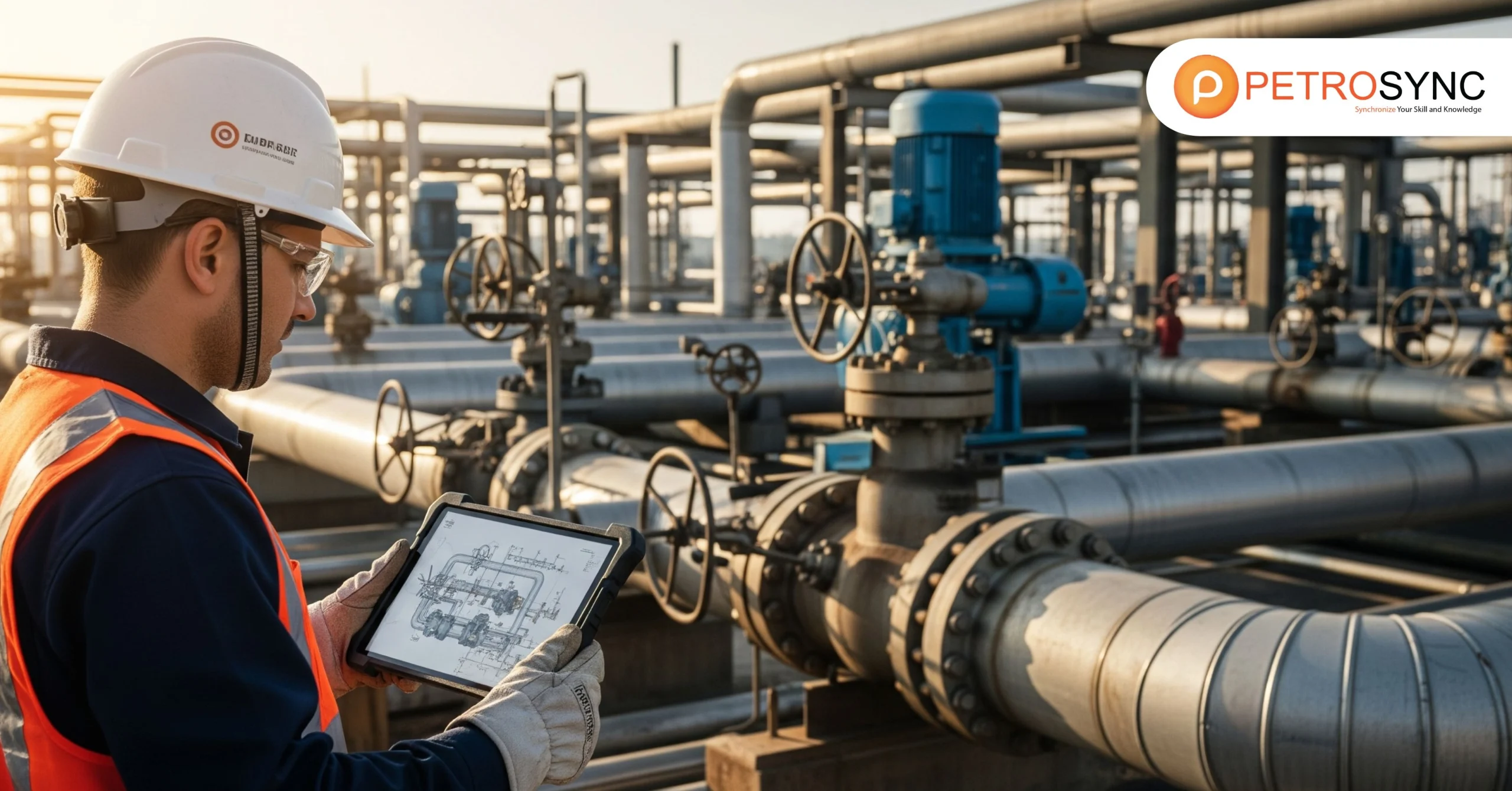
Piping engineering is the backbone of modern industrial projects, from oil and gas to petrochemical, power generation, and manufacturing. As the lifeline of facilities, piping systems ensure the safe and efficient transportation of fluids and gases. Without robust piping engineering, even the most promising projects risk costly failures, operational delays, and long-term safety concerns.
In today’s competitive environment, companies recognize that project success is not defined only by budgets or advanced technologies—it is also about the strength of their piping design, inspection, and maintenance strategies.
This article explores what piping engineering is, why it is critical for modern industries, how it drives asset integrity, and the global standards professionals must master to deliver smarter, safer projects.
What is Piping Engineering?
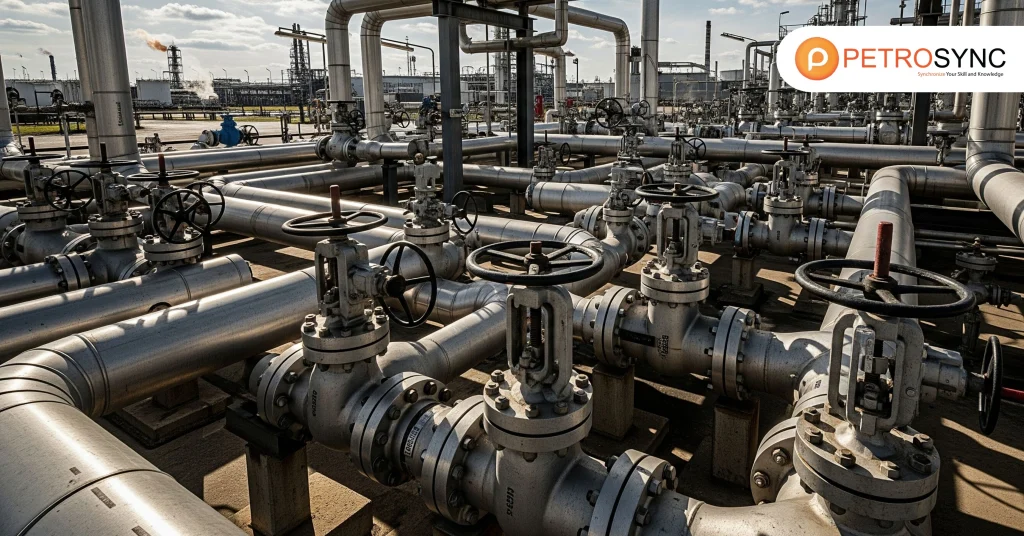
Piping engineering is the specialized discipline focused on the design, construction, inspection, and maintenance of piping systems. These systems carry essential fluids—oil, gas, steam, water, or chemicals—throughout processing plants and facilities.
Its scope goes beyond drawing pipe routes. It includes material selection, stress analysis, flexibility design, welding techniques, quality assurance, and lifecycle maintenance planning. For industries such as oil & gas and power generation, the discipline ensures that complex networks of pipelines can withstand harsh conditions, high pressures, and long-term operations.
Piping engineering is not just about connecting two points with a pipe—it’s about creating a reliable infrastructure that ensures safe, efficient, and sustainable operations.
Why It’s Critical in Modern Industry?
As industrial projects grow in complexity and scale, the demand for precision in piping engineering has never been greater. A single piping failure can shut down an entire facility, resulting in millions of dollars in lost revenue.
A study in the Journal of Loss Prevention in the Process Industries highlighted that inadequate piping design and inspection are among the main contributors to unplanned shutdowns in the energy sector. For leaders in oil and gas, this reinforces why proactive engineering is not optional—it is a strategic necessity.
Modern industries also face new pressures: decarbonization, stricter regulations, and increasing demand for efficiency. Piping engineers must not only ensure mechanical integrity but also integrate sustainability, digital monitoring, and compliance into their designs. This balancing act makes piping engineering central to the success of industrial projects in today’s competitive environment.
How Piping Engineering Drives Project Success and Asset Integrity
Well-executed piping engineering creates a ripple effect across the entire project lifecycle:
Capital project execution: Early alignment of piping design with project goals reduces rework, lowers costs, and keeps schedules on track. By considering constructability and operations from day one, companies save both time and money.
1. Enhanced safety:
Robust design minimizes risks of leaks, explosions, or equipment damage—protecting lives and the environment.
2. Maintainability:
Smart layout planning ensures easier access for inspection, testing, and repairs. This reduces downtime and boosts reliability.
3. Long-term integrity:
Proactive material choices and stress analysis extend the operational life of piping systems, protecting multi-million-dollar assets from premature failures.
By embedding reliability into the foundation of a facility, piping engineering ensures smoother handovers from construction to operations and sets the stage for long-term success.
Key Benefits of Strong Piping Engineering in Industrial Projects
1. Safer Operations through Better Piping Design
Safety begins with design. Thoughtful layout, correct material selection, and proper support placement minimize accident risks. In high-risk environments like oil and gas, a single design flaw can lead to catastrophic outcomes.
2. Reduced Failures with Proactive Piping Strategies
Predictive analysis and rigorous inspections prevent leaks, ruptures, and downtime. Industry research indicates that systematic inspection programs can reduce piping-related incidents by up to 40%. This is particularly vital in petrochemical plant, where downtime translates directly into lost revenue.
3. Optimized Cost and Schedule in Piping Execution
Smart planning reduces rework and avoids costly delays. According to a McKinsey report on energy and chemicals, effective piping strategies can lower project costs by 10–15% while accelerating delivery timelines. This advantage is crucial for operators seeking to maximize ROI in capital-intensive projects.
These benefits demonstrate that strong piping engineering is not just a technical necessity but a driver of business performance.

Core Components of Effective Piping Engineering
To deliver reliable outcomes, piping engineering integrates several core components:
1. Piping Design and Smart Material Selection
Selecting the right material is vital for handling corrosive, high-pressure, or high-temperature conditions. Engineers must balance cost, performance, and long-term durability.
2. Flexibility, Support, and Stress Analysis in Piping
Piping systems expand and contract due to temperature fluctuations. Without proper flexibility analysis and support design, excessive stress can cause cracks or failures.
3. Welding, Fabrication, and Installation Best Practices
High-quality fabrication and welding practices reduce the risk of defects. Using certified welders and adhering to procedures ensures pipelines meet global standards.
4. Inspection, Testing, and Quality Assurance in Piping
Techniques such as hydrostatic testing, ultrasonic testing, and radiography are essential to confirm integrity before commissioning. Continuous monitoring also ensures safety during operations.
5. Lifecycle Documentation and Piping Maintenance Planning
Complete documentation helps engineers track performance, plan preventive maintenance, and comply with regulatory audits. This ensures systems remain reliable across decades of operation.
Together, these building blocks create a system that is safe, efficient, and aligned with business and operational goals.
Why API 570 and ASME B31.3 Are Essential for Piping Engineers
Industrial piping projects demand strict compliance with international standards. Two of the most important are API 570 and ASME B31.3.
1. Understanding API 570 for In-Service Piping Inspection
API 570 provides guidelines for the inspection, rating, and repair of in-service piping systems. It ensures ongoing reliability and safety throughout the lifecycle of facilities. Engineers certified in API 570 are equipped to detect weaknesses before they escalate into costly failures.
2. Applying ASME B31.3 for Process Piping Design and Safety
ASME B31.3 is the backbone for process piping design. It sets comprehensive requirements for design, materials, fabrication, assembly, and testing. Adherence to ASME B31.3 minimizes risks and strengthens the credibility of engineering teams in global projects.
3. Integrating API 570 & ASME B31.3 for Operational Compliance
Combining these standards ensures both design excellence and operational reliability. Organizations that adopt both frameworks not only achieve compliance but also gain a competitive edge by running safer, more efficient facilities.
Upgrade Your Piping Engineering Skills with API 570 & ASME B31.3 Training by PetroSync
Mastering piping engineering requires more than theory—it demands practical, real-world knowledge. This is where PetroSync’s expert-led training programs come in. Through in-depth courses on API 570 and ASME B31.3, PetroSync equips professionals with tools to:
- Design smarter and safer piping systems
- Conduct effective in-service inspections
- Ensure compliance with global standards
- Lead projects with confidence and technical excellence
For senior engineers, managers, and decision-makers, investing in your skills today will prepare you to lead safer, more efficient projects tomorrow. Don’t let knowledge gaps hold back your projects—join PetroSync’s training and take your expertise to the next level.

Results-oriented and thorough SEO specialist with extensive experience in conducting keyword research, developing and implementing digital website promotion strategies and plans, managing campaigns to develop company websites in the digital world, excellent knowledge of marketing techniques and principles, and attentive strong attention to detail.