

- API 570 is the global piping inspection code that safeguards in-service systems and protects reliability, compliance, and business continuity.
- Structured inspections catch corrosion early, cut downtime, and strengthen asset performance across oil, gas, and chemical facilities.
- Poor implementation drives leaks, failures, safety hazards, and costly disruptions that damage profit and reputation.
- Certified inspectors apply preventive strategies that reduce incidents, extend equipment life, and improve audit readiness.
- PetroSync programs build real-world competence through case studies and expert-led training, preparing teams for certification and field challenges.
API 570 is the definitive standard for maintaining the integrity of in-service piping systems in oil, gas, and chemical facilities. Ensuring piping safety is not merely a technical requirement — it is a strategic investment in operational reliability, regulatory compliance, and business continuity.
Unplanned leaks or pipe failures can disrupt production, reduce profitability, and expose organizations to reputational and legal risks. In such environments, adherence to API 570 provides both guidance and protection, setting a benchmark for operational excellence.
Implementing structured inspection programs according to API 570 enables early detection of corrosion and material degradation, optimizes maintenance schedules, and significantly reduces unplanned downtime. Studies and industry analyses indicate that facilities following API 570 protocols consistently achieve higher asset reliability and improved cost efficiency.
Reports from recognized engineering bodies and technical journals confirm the measurable impact of disciplined inspection practices on safety and long-term business performance.
What is API 570?
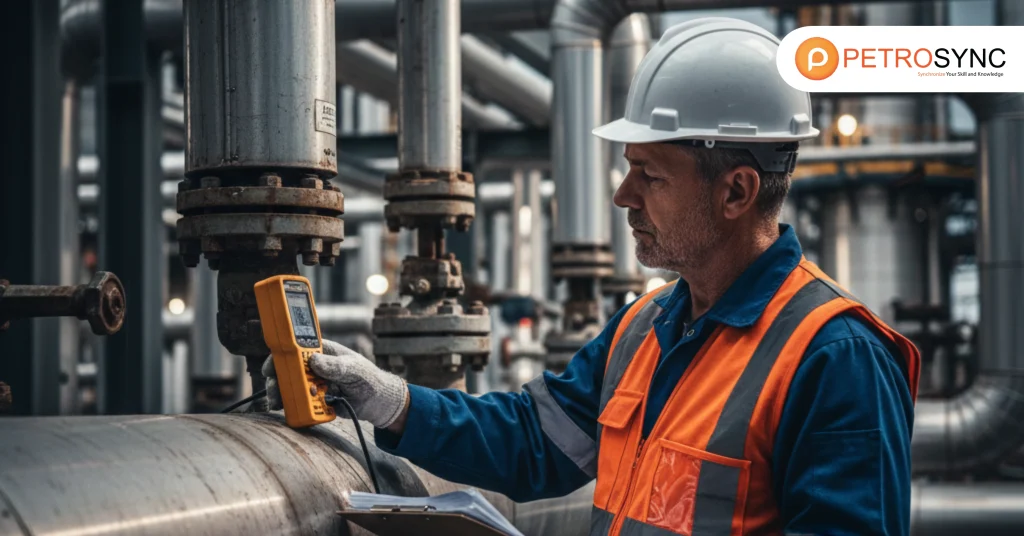
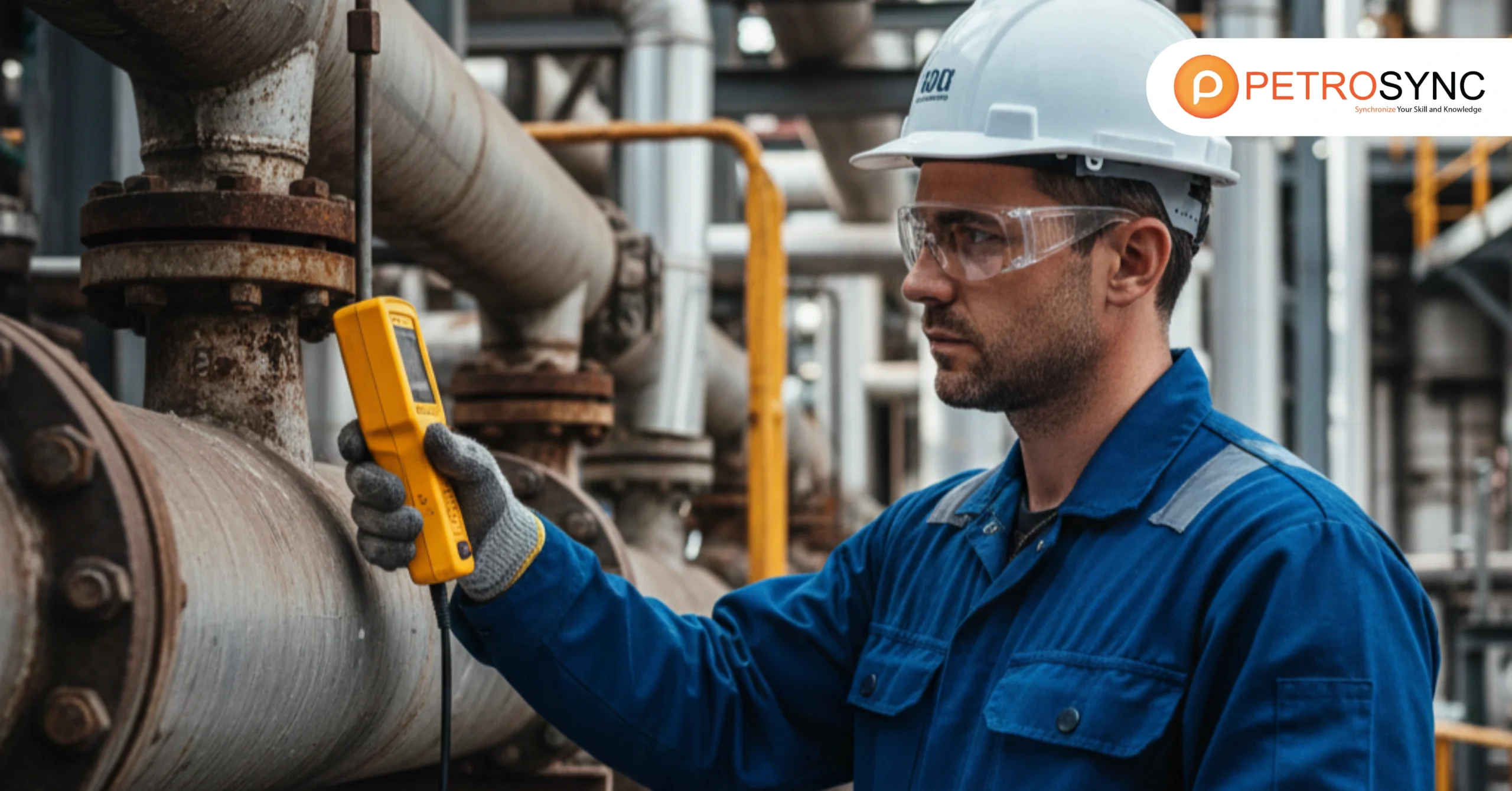
API 570 is commonly referred to as the Piping Inspection Code, is an internationally recognized standard that guides the inspection, repair, and maintenance of in-service piping systems in the oil and gas industry. Its primary focus is to ensure the integrity of piping systems by setting clear procedures for inspections, evaluations, repairs, and documentation.
Understanding API 570 is essential for engineers, inspectors, and maintenance professionals responsible for operational safety and reliability. Participating in an API 570 Course provides structured learning that prepares professionals for real-world challenges. Completing the course often culminates in an API 570 Exam, which validates the participant’s knowledge and qualifies them to act as a certified API 570 Inspector.
Gaining expertise through formal training ensures organizations can reduce the risk of piping failures, maintain compliance, and enhance operational efficiency.
Potential Risks of Improper Management or Misunderstanding of API 570
Failing to manage API 570 correctly can have serious operational, financial, and safety implications.
1. Increased Risk of Piping Failures & Leakage
Without proper training or assessment, piping degradation may go unnoticed, leading to leaks, ruptures, or catastrophic failures. Enrolling in an API 570 Course equips professionals with the skills to detect issues early, reducing the likelihood of these failures.
2. Non-Compliance with Industry Standards
Organizations that do not follow API 570 requirements risk penalties, audit failures, and reputational damage. An API 570 Inspector ensures inspections align with international standards, and successfully passing the API 570 Exam demonstrates competence in compliance.
3. Higher Operational Downtime & Costs
Unexpected failures due to insufficient inspection increase downtime and operational expenses. Trained API 570 Inspectors minimize these risks by implementing preventive maintenance strategies.
4. Safety Hazards to Personnel & Environment
Poorly maintained piping systems create safety hazards. Exposure to leaks or ruptures can harm personnel and the environment. Proper API 570 training ensures inspectors recognize hazards early and implement corrective actions effectively.
5. Accelerated Corrosion & Material Degradation
Neglecting inspection accelerates corrosion and material fatigue, shortening asset lifespan. API 570 Inspectors are trained to assess material integrity and recommend preventive measures that maintain operational reliability.
Benefits of Mastering API 570 for the Oil & Gas Industry
Mastering API 570 offers benefits for both professionals and organizations.
1. Aligned with API 570 Standards & Piping Inspection Practices
An API 570 Course equips professionals with knowledge aligned to international standards, ensuring inspection practices meet global benchmarks.
2. Practical & Applied Case Study Approach
Hands-on learning through real-world case studies allows participants to translate theory into practice, enhancing problem-solving capabilities for inspectors.
3. Experienced Instructors from Global Industry Practitioners
Learning from seasoned industry professionals provides participants with insights based on practical field experience.
4. Curriculum Aligned with International Standards & Best Practices
Courses are structured to meet both regulatory and industry standards, preparing participants for the API 570 Exam and operational challenges.
5. Trusted by Energy Companies & Global Industries
Certification from reputable providers is recognized by leading energy companies worldwide, adding credibility to professionals, especially API 570 Inspectors.
6. International Reputation as an Oil & Gas Training Provider
Programs from trusted providers ensure participants are trained according to global standards, enhancing career mobility and professional recognition.
Improved Safety & Operational Reliability
Applying API 570 principles improves safety and ensures consistent operational reliability. Certified API 570 Inspectors are skilled in identifying risks, preventing failures, and ensuring piping systems operate safely and efficiently.
Compliance with Industry Standards, Codes & Regulations
API 570 provides a framework for meeting regulatory and industry standards. Organizations with certified inspectors are audit-ready, compliant, and better positioned to manage operational risks effectively.
Reduced Asset Failure & Field Incident Risks
Trained Piping Inspection Code Inspectors reduce asset failure rates by implementing preventive inspection and maintenance plans. This minimizes field incidents and enhances operational continuity.
Optimized Equipment Performance, Lifespan & Integrity
Structured inspections and maintenance guided by Piping Inspection Code extend equipment lifespan, maintain material integrity, and optimize performance. Passing the API 570 Exam certifies that professionals can perform these tasks effectively.
Cost Efficiency in Operations, Maintenance & Downtime
Investing in an Piping Inspection Code Course and certification lowers unplanned maintenance costs, reduces downtime, and ensures resource optimization across operations.
How to Address API 570 Challenges More Effectively
1. Develop Professional Competence through Structured Programs like PetroSync
Structured Piping Inspection Code Courses ensure professionals develop both theoretical knowledge and practical skills, preparing them for the Piping Inspection Code Exam and real-world inspection tasks.
2. Apply Relevant Industry Best Practices & Standards for API 570
Following global standards ensures that inspection and maintenance activities are consistent and compliant. Certified Piping Inspection Code Inspectors implement these practices with confidence.
3. Integrate API 570 Knowledge into Operational & Engineering Processes
Embedding Piping Inspection Code principles in workflows improves decision-making, operational efficiency, and compliance adherence.
4. Enhance Team Capability through Case Studies & Field Learning
Practical exercises and field scenarios enable teams to apply learning immediately, strengthening inspection and maintenance capabilities.
5. Conduct Evaluation, Review & Continuous Improvement
Regular evaluation and continuous learning ensure that professionals remain competent, aligned with updated standards, and ready for future Piping Inspection Code Exams.
Competency Development Solutions for API 570 via PetroSync
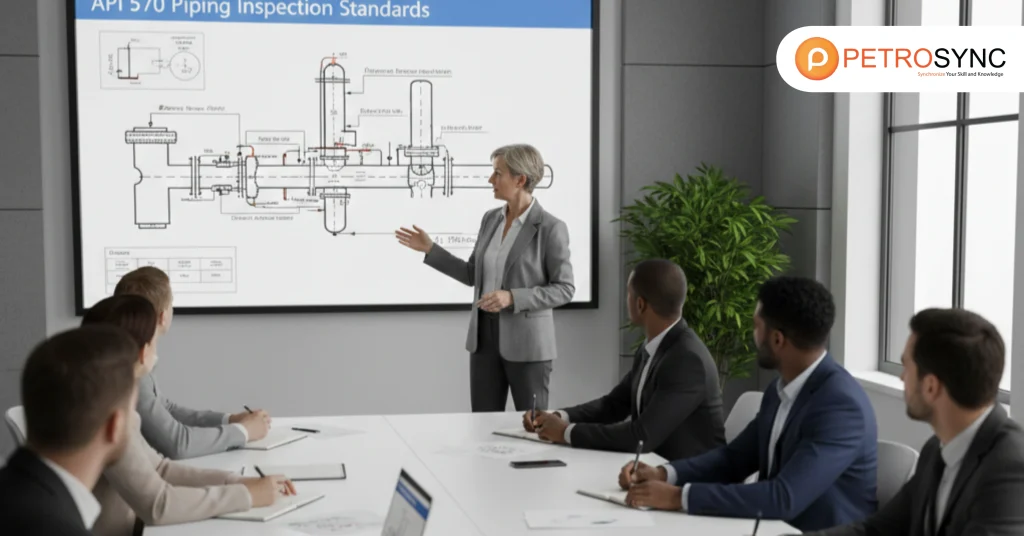
PetroSync offers comprehensive API 570 Courses that prepare professionals for certification, focusing on practical skills, case studies, and real-world scenarios. These programs develop competent Piping Inspection Code Inspectors who can handle complex piping inspection and maintenance tasks.
PetroSync API 570 Competency Development Programs for Oil & Gas Professionals
1. Curriculum Based on International Standards & Industry Practice
Aligned with Piping Inspection Code standards, the program ensures relevant and practical knowledge.
2. Experienced Instructors from Practitioners & Subject Matter Experts
Participants learn from professionals who have real-world experience in piping inspection and maintenance.
3. Practical & Applied Learning Approach
Hands-on exercises and applied learning techniques bridge the gap between theory and practice.
4. Case Studies Based on Real Field Conditions
Real-life simulations prepare professionals to handle inspection challenges in operational environments.
5. Public & In-House Program Schemes
Flexible delivery options cater to both individuals and corporate teams.
6. Always Updated & Relevant Learning Materials
Materials remain current with industry developments, ensuring learning is applicable.
7. Learning Experience Support from Engineers to Management
Guidance is available at all professional levels, from engineers to management.
8. Program Certificate for Competency & Career Development
Participants earn a recognized API 570 certification, enhancing credibility and career growth as certified Piping Inspection Code Inspectors.
PetroSync API 570 Program Advantages for Companies
1. Relevant for Various Disciplines & Professional Levels
Program benefits engineers, inspectors, operations staff, and managers alike.
2. Focused on Competency Improvements with Real Impact
Emphasizes practical outcomes that enhance operational performance.
3. Supports Compliance, Audits & Operational Reliability
Improves audit readiness and strengthens operational reliability.
4. Flexible for Project, Asset & Organizational Needs
Adaptable to varying operational contexts, asset types, and team structures.
5. Global Reputation & Experience in the Oil & Gas Industry
PetroSync is recognized internationally for delivering high-quality oil and gas training.
6. Aligned with API 570 Standards & Piping Inspection Practices
Ensures all training outcomes are immediately applicable in real operational environments.
Schedule Your PetroSync API 570 Competency Program Now
Enroll in PetroSync API 570 Courses today to prepare for your Piping Inspection Code Exam, gain internationally recognized Piping Inspection Code certification, and become a skilled Piping Inspection Code Inspector. Enhance safety, improve operational reliability, and ensure your organization meets the highest industry standards.
Frequently Asked Questions (FAQ)
API 570 is the internationally recognized Piping Inspection Code that provides guidelines for inspection, repair, and maintenance of in-service piping systems. It helps ensure system integrity, improve operational reliability, maintain regulatory compliance, and reduce the risk of costly failures.
Failure to implement API 570 correctly can lead to piping leaks, catastrophic failures, regulatory non-compliance, increased downtime, safety hazards, accelerated corrosion, and higher operational costs.
API 570 certification validates professional competency in piping inspection. Certified inspectors can detect degradation early, apply preventive maintenance strategies, improve audit readiness, enhance safety, and support long-term asset reliability and cost efficiency.
Structured inspection programs enable early detection of corrosion and material degradation, optimize maintenance planning, extend equipment lifespan, reduce unplanned downtime, and strengthen overall operational performance.
Professionals can prepare by enrolling in structured API 570 training programs that combine theoretical knowledge, real-world case studies, and practical applications. This approach builds competence, strengthens compliance understanding, and prepares candidates for certification and field responsibilities.

Results-oriented and thorough SEO specialist with extensive experience in conducting keyword research, developing and implementing digital website promotion strategies and plans, managing campaigns to develop company websites in the digital world, excellent knowledge of marketing techniques and principles, and attentive strong attention to detail.