

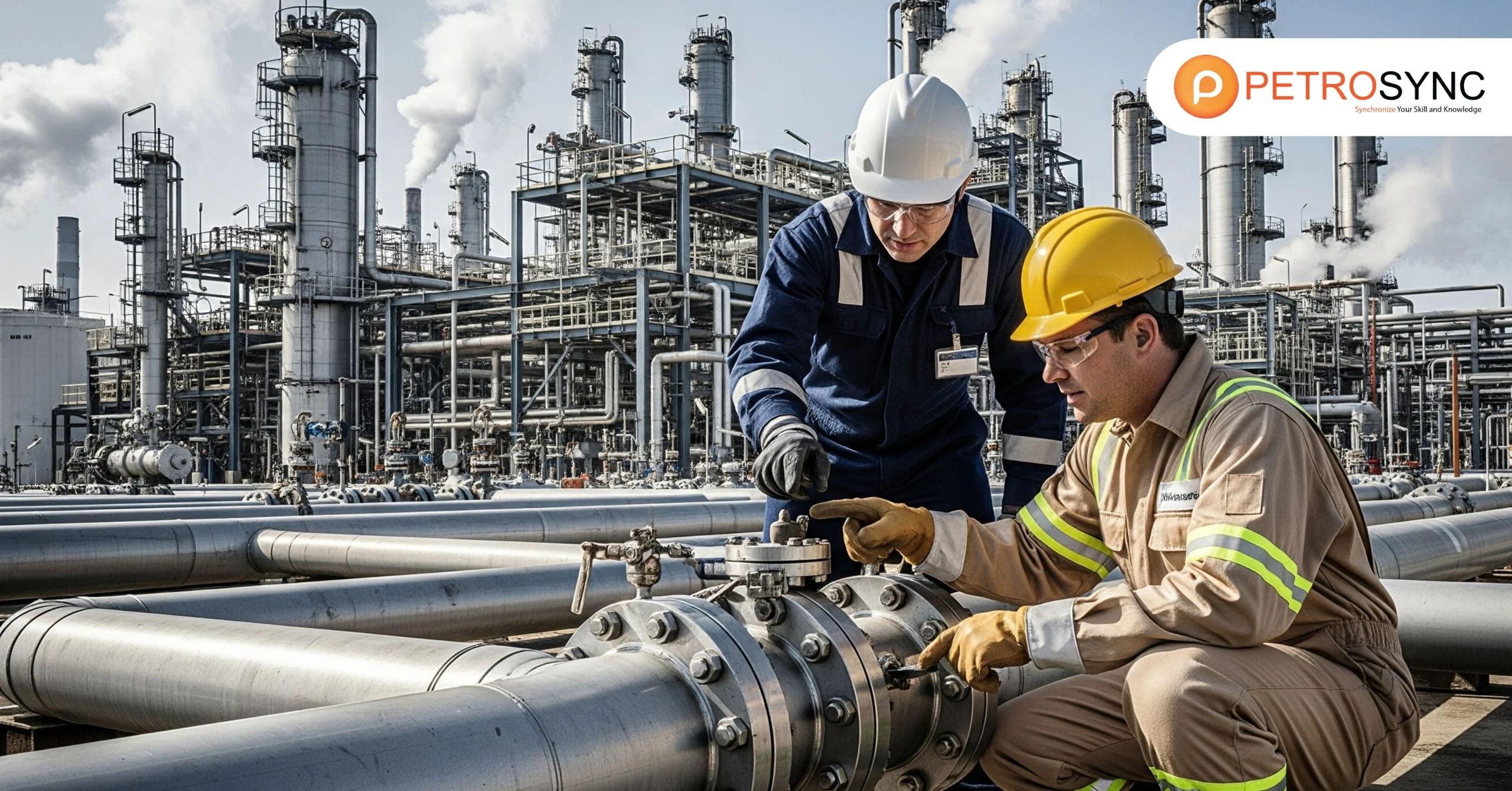
Piping Engineering Training is becoming a key driver of success in the global oil and gas industry, where efficiency, safety, and technological innovation are no longer optional but essential. As mega-projects grow in scale and regulatory standards become stricter, companies demand highly skilled professionals who can design and maintain reliable piping systems for refineries, petrochemical plant, power stations, and offshore facilities.
For senior engineers, managers, and executives, keeping pace with these evolving requirements requires more than just years of experience. It calls for continuous learning, structured skill development, and a proactive strategy for career growth.
One of the most effective ways to achieve this is through specialized piping engineering training, a program designed to sharpen technical expertise while building leadership capabilities that meet global industry standards.
What is Piping Engineering Training?
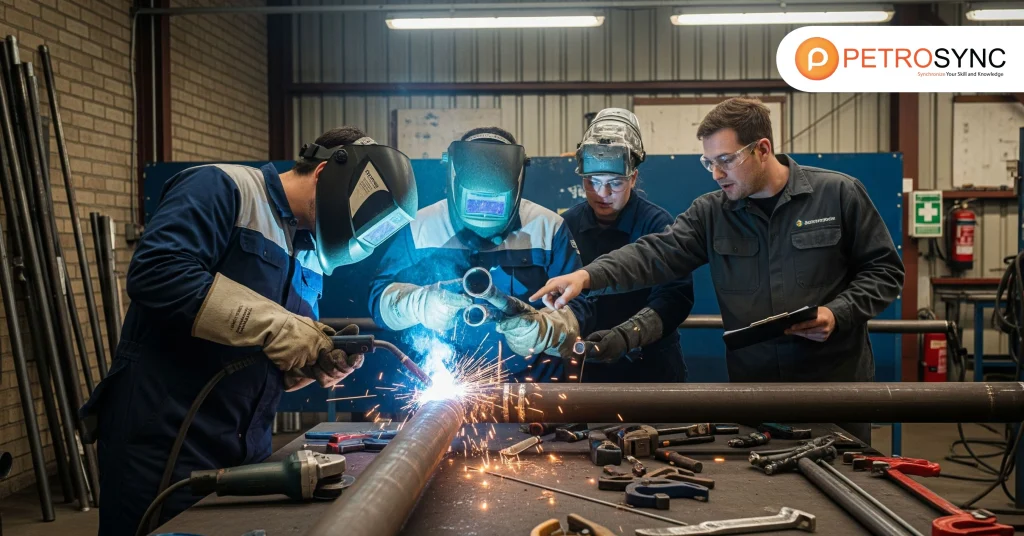
Piping engineering training is a targeted professional development program that equips engineers with the technical and analytical skills necessary to design, analyze, and maintain complex piping systems. These programs cover the full lifecycle of piping infrastructure—from conceptual design and material selection to stress analysis, construction, inspection, and long-term maintenance.
Unlike general engineering courses, piping training is anchored to internationally recognized standards such as API 570 and ASME B31.3. This ensures participants gain a practical understanding of global best practices and compliance requirements. Training sessions are typically led by experienced industry practitioners and blend classroom theory with case studies and field applications.
Participants learn how to tackle real challenges, such as managing thermal expansion, preventing corrosion, optimizing material costs, and ensuring that every design meets the highest safety benchmarks. The result is a skill set that goes beyond textbook knowledge and directly improves day-to-day project performance.
Why Is Piping Engineering Training Important for Engineers?
In a market driven by rapid technological change, engineers cannot rely solely on past experience. Modern projects demand mastery of the latest tools, methods, and regulatory frameworks. Industry research has shown that companies investing in structured engineering training achieve double-digit gains in operational efficiency.
While professionals who participate in specialized programs consistently outperform their peers in project delivery and risk management. Piping systems are among the most critical components of any industrial facility. A single failure can lead to environmental hazards, costly shutdowns, and reputational damage.
Through training, engineers learn to design more reliable systems, conduct precise inspections, and implement preventive maintenance strategies that reduce downtime and extend asset life. For executives, the benefits include improved project outcomes, stronger compliance records, and measurable cost savings across the operational cycle.
Benefits of Piping Engineering Training for Career Growth
Investing in piping engineering training is not just about technical competence—it is a strategic career move that can open doors to new opportunities and leadership roles.
1. Expanding Technical Knowledge and Hands-On Skills
Participants gain advanced expertise in materials science, stress analysis, and corrosion control, along with practical experience through simulations and case studies. This combination of theory and application ensures that engineers can immediately apply new skills to their projects.
2. Enhancing Credibility and Certification Value
Holding certifications in recognized standards such as API 570 or ASME B31.3 sends astrong signal to employers and clients that you meet globally accepted benchmarks. Research in professional engineering education consistently shows that certified professionals earn significantly higher salaries and are more likely to be promoted compared to those without formal credentials.
3. Opening Opportunities for Higher-Level Roles
Senior roles—whether in project management, consultancy, or corporate leadership—often require specialized technical knowledge combined with strategic insight. Training provides both, making participants strong candidates for promotions and high-value assignments.
4. Boosting Confidence in Project Execution
Updated knowledge of industry codes and advanced inspection methods gives engineers the confidence to lead complex projects with authority. This confidence translates into fewer design errors, smoother execution, and stronger cross-team collaboration.
5. Standing Out in a Competitive Job Market
As global energy projects expand, the demand for piping engineers with specialized training continues to rise. Companies consistently prioritize candidates with proven training when hiring for high-stakes projects in refineries, LNG facilities, and petrochemical plants. A recognized qualification sets you apart, demonstrating both competence and commitment to professional growth.
Key Focus Areas in Piping Engineering Training
Effective training programs focus on the skills and knowledge areas most relevant to modern engineering challenges. While course content may vary, core topics typically include:
1. Piping Design and Material Selection
Participants learn to evaluate mechanical properties, corrosion resistance, and cost considerations to ensure that material choices support long-term performance and safety.
2. Industry Standards – API 570 and ASME B31.3
These standards form the backbone of piping inspection and process design. Training provides in-depth guidance on compliance requirements, inspection intervals, and failure analysis, enabling participants to meet international expectations.
3. Inspection and Maintenance Fundamentals
Engineers are trained to identify early signs of wear, fatigue, or corrosion, allowing for proactive maintenance that reduces downtime and extends system lifespan.
4. Risk-Based Integrity Management
Risk assessment methodologies help participants prioritize maintenance and inspection efforts based on the probability and consequence of failure, a key skill for managing budgets and ensuring safety.
5. Real-World Case Studies and Applications
Hands-on case studies connect theory to practice, giving participants the opportunity to solve problems modeled on actual field scenarios and to test their decision-making in realistic settings.
Unlock Your Career Potential with Piping Engineering Training by PetroSync
For engineers and managers ready to take their careers to the next level, PetroSync offers a comprehensive piping engineering training program designed to meet the demands of today’s oil and gas industry. Guided by seasoned industry professionals, PetroSync’s training combine rigorous technical instruction with real-world insights.
Ensuring participants not only master key standards like API 570 and ASME B31.3 but also gain the leadership perspective needed for senior roles. What makes PetroSync particularly valuable is its focus on bridging technical excellence with strategic career growth. Participants gain practical skills they can apply immediately, from optimizing material selection to implementing advanced integrity management strategies.
Beyond the classroom, the training fosters a professional network of peers and experts, creating opportunities for collaboration and career advancement long after the course is complete. Whether you aim to secure a promotion, transition into consultancy, or simply stay ahead in a competitive market, PetroSync’s piping engineering training provides the knowledge, confidence, and credentials to achieve your goals.
Investing in this program is more than a learning experience—it is a commitment to excellence and a decisive step toward shaping the future of your engineering career.

Results-oriented and thorough SEO specialist with extensive experience in conducting keyword research, developing and implementing digital website promotion strategies and plans, managing campaigns to develop company websites in the digital world, excellent knowledge of marketing techniques and principles, and attentive strong attention to detail.