

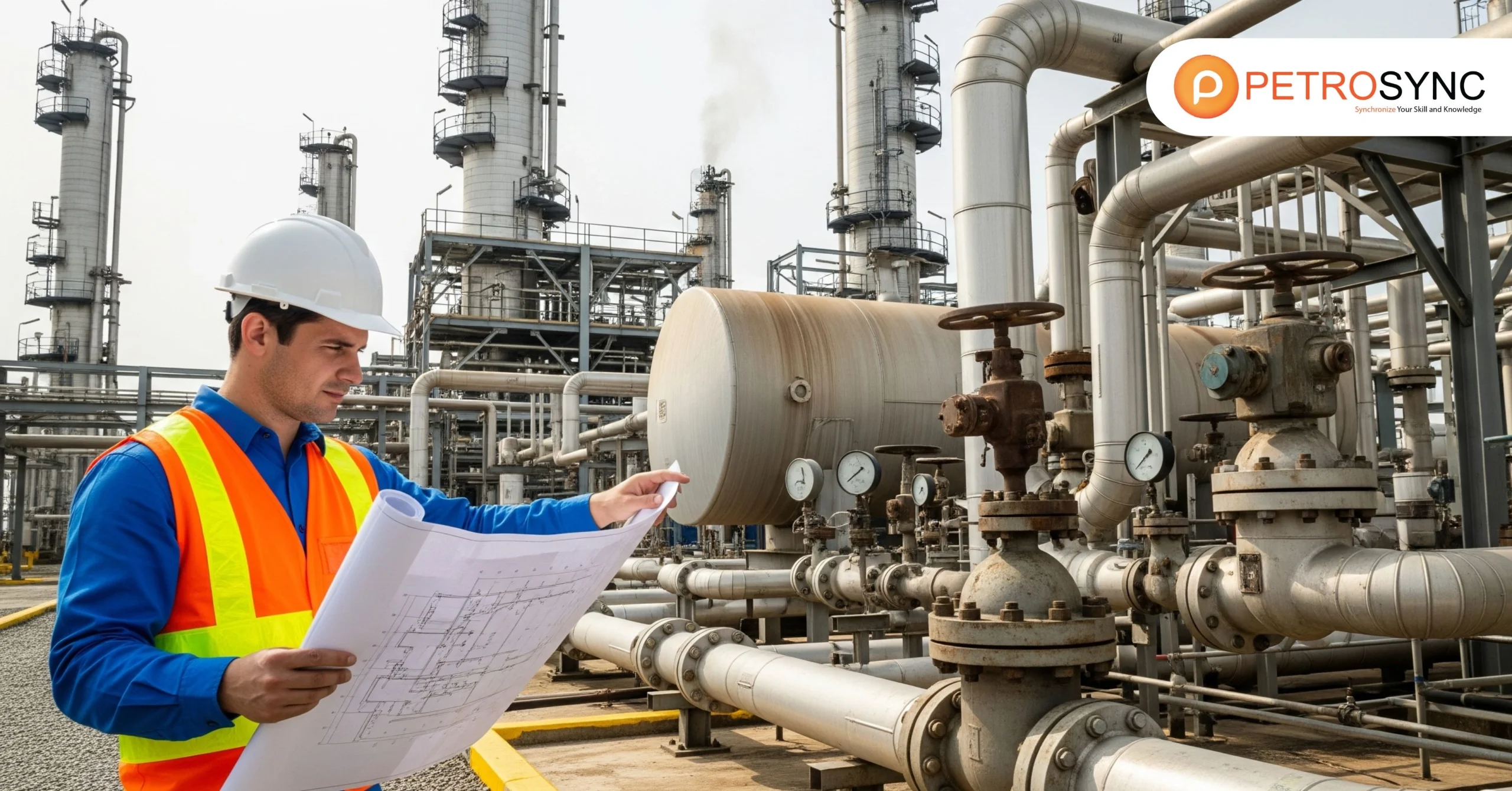
Piping engineering design is the foundation of safe, efficient, and reliable industrial operations. In facilities such as refineries, petrochemical plant, power stations, and offshore platforms, piping systems act as the lifeblood of production—carrying critical fluids and gases that keep processes running smoothly.
More than just a network of pipes, a well-executed design determines whether a plant performs reliably or suffers costly breakdowns. For senior engineers, project managers, and executives, investing in proper piping engineering design is far more than a technical requirement. It is a strategic decision that protects safety, optimizes performance, and drives long-term profitability.
Before exploring the technical components, let’s examine why this discipline forms the backbone of modern industrial systems.
What is Piping Engineering Design?
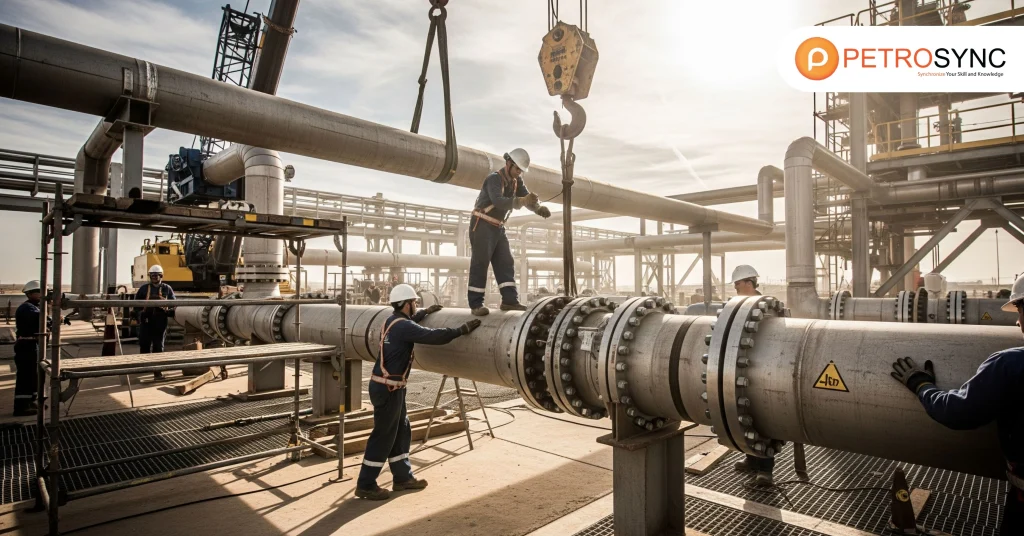
Piping engineering design is the structured process of planning, analyzing, and detailing the networks that transport liquids and gases inside industrial facilities. It goes beyond drawing blueprints by incorporating material selection, stress calculations, pressure rating assessments, layout optimization, and compliance with international standards such as ASME B31.3.
A robust design considers operating temperature, chemical compatibility, corrosion resistance, and maintenance accessibility. When executed correctly, the result is a system that integrates seamlessly with pumps, valves, sensors, and emergency systems.
Industry reports show that facilities adopting formal piping design practices can reduce maintenance costs and operational risks by as much as 25% compared to plants without structured engineering standards. This proves how critical design quality is to long-term performance and cost control.
Why Piping Engineering Design Is Critical for System Reliability
Reliability in industrial operations does not happen by chance—it is deliberately engineered. Proper piping design allows systems to handle pressure fluctuations, vibration, and thermal expansion without unexpected failures. Independent research in process safety has shown that inadequate piping design contributes to roughly one-third of unplanned shutdown incidents in oil and gas facilities.
Plants that incorporate rigorous stress analysis and code compliance report significantly fewer leaks and emergency repairs. For executives and decision-makers, this translates into fewer insurance claims, lower downtime costs, and stronger operational continuity.
Benefits of Piping Engineering Design in Industrial Projects
A well-executed piping engineering design delivers measurable advantages for large-scale industrial projects:
1. Reducing Operational Risks and Failures
Accurate load calculations and stress analysis prevent catastrophic events such as joint failures or pipe bursts, protecting workers and the environment.
2. Improving System Efficiency and Flow
Optimized routing minimizes friction losses, reduces pumping costs, and ensures stable process conditions—all of which directly impact production efficiency.
3. Minimizing Maintenance and Downtime
Proactive design makes systems easier to inspect and maintain. Peer-reviewed studies indicate that structured design can reduce downtime by 20–30% over a plant’s operational life.
4. Ensuring Long-Term Asset Integrity
Proper material selection and corrosion allowance protect assets for decades, supporting both safety and profitability.
5. Supporting Safer Plant Operations
When safety considerations such as emergency shutdown paths and adequate support spacing are integrated from the start, the likelihood of accidents and regulatory issues drops dramatically.
For senior managers and CEOs, these benefits are not merely technical—they are key drivers of return on investment.
Key Components of Reliable Piping Engineering Design
Designing a reliable piping system requires meticulous attention to several critical components:
1. Compliance with ASME B31.3 and Relevant Codes
ASME B31.3 sets the benchmark for process piping worldwide. Adherence ensures that the system meets strict safety, testing, and performance criteria.
2. Material Selection Based on Process Conditions
Materials must withstand high pressure, temperature variations, and chemical exposure. Choosing the wrong alloy can lead to premature corrosion or fatigue.
3. Stress Analysis and Flexibility Considerations
Pipes expand and contract with temperature changes. Engineers use advanced modeling to predict these movements and prevent cracking or joint separation.
4. Proper Routing, Layout, and Support Design
Strategic routing reduces vibration, avoids interference with equipment, and distributes loads evenly. This also simplifies future maintenance.
5. Integration with Equipment, Instrumentation, and Safety Systems
Reliable piping systems interface seamlessly with pumps, valves, sensors, and emergency controls, ensuring consistent operation and rapid response in emergencies.
Common Failures from Poor Piping Engineering Design
Ignoring established design principles can lead to costly and dangerous consequences:
- Pipe Leaks and Joint Failures – Often caused by incorrect material selection or inadequate stress analysis.
- Vibration and Fatigue-Induced Cracks – A result of poor support design or improper routing.
- Thermal Expansion Issues – Without sufficient flexibility, pipes can buckle or rupture under heat.
- Misalignment and Interference – Hindering equipment access and causing construction delays.
- Costly Rework and Operational Downtime – Late-stage design changes can add millions in unexpected expenses.
Investigations by global safety boards have repeatedly linked inadequate piping layouts to multi-million-dollar losses and prolonged plant shutdowns. The message is clear: investing in quality engineering upfront is far more economical than dealing with failures later.
Strengthen Your Piping Engineering Design Expertise with ASME B31.3 Training by PetroSync
For professionals responsible for high-stakes projects, deep knowledge of ASME B31.3 is not merely a credential—it is a strategic advantage. PetroSync offers a specialized ASME B31.3-based training program designed to sharpen both practical skills and technical insight in process piping design.
Participants gain the ability to:
- Apply ASME B31.3 requirements to complex industrial systems.
- Perform stress analysis and select materials with confidence.
- Optimize layouts for long-term reliability and cost efficiency.
Industry analyses reveal that organizations investing in advanced design training achieve up to 18% improvement in system reliability and a 12% reduction in lifecycle costs. These measurable outcomes demonstrate that professional development directly supports safer operations and stronger financial performance.
By joining PetroSync’s ASME B31.3 training, engineers, managers, and executives can lead projects that exceed compliance requirements while driving long-term business growth. This is not just about learning codes—it’s about mastering the skills that protect assets, people, and profits.

Results-oriented and thorough SEO specialist with extensive experience in conducting keyword research, developing and implementing digital website promotion strategies and plans, managing campaigns to develop company websites in the digital world, excellent knowledge of marketing techniques and principles, and attentive strong attention to detail.

Business Development Manager at PetroSync with 12+ years of experience in professional training and business development across the energy and industrial sectors.