

Top Oil and Gas Training in Indonesia for Engineers plays a crucial role in shaping the nation’s energy future. In today’s fast-evolving landscape, continuous learning is no longer optional — it’s a strategic necessity.
For engineers and decision-makers in Indonesia’s oil and gas industry, specialized training goes beyond professional development; it represents a vital investment in safety, efficiency, and sustainable growth.
As Indonesia’s oil and gas sector faces increasing complexity — from aging infrastructure to stricter regulations and rapid digital transformation — the demand for highly skilled engineers continues to grow. Those who actively enhance their technical and managerial capabilities through structured training remain not only relevant but also ready to lead the industry’s next phase of innovation.
Why Is Top Oil and Gas Training in Indonesia Crucial for Engineers Today?
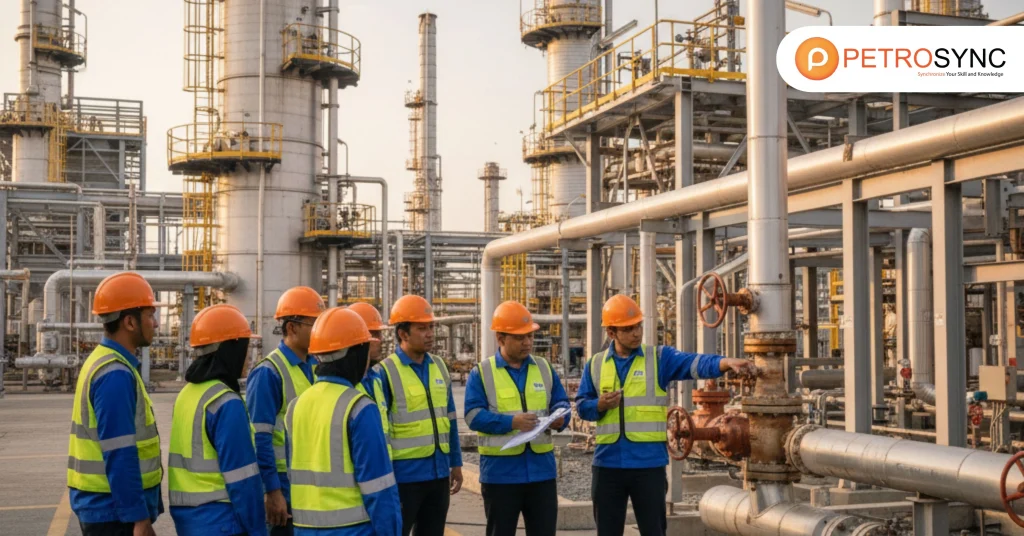
Indonesia’s oil and gas sector contributes significantly to the national economy, providing around 20% of state revenue and employing thousands of technical professionals. However, challenges such as fluctuating oil prices, energy transition policies, and asset integrity issues demand new competencies.
Engineers today must adapt to emerging technologies like digital twins, predictive maintenance, and advanced inspection systems to ensure operational excellence. A 2024 report by Deloitte emphasized that companies investing in structured technical upskilling programs achieve up to 45% higher productivity and 30% fewer operational incidents.
In Indonesia, where both offshore and onshore assets require advanced maintenance, having certified and well-trained engineers directly impacts efficiency, safety, and environmental compliance.
What Are the Key Benefits of Top Oil and Gas Training in Indonesia for Engineers?
High-quality oil and gas training delivers tangible, measurable outcomes for professionals and organizations alike. Engineers gain updated technical knowledge, improve decision-making, and strengthen compliance with international standards.
For organizations, the benefits include:
- Enhanced Safety Performance: Teams with updated safety certifications reduce incident rates and downtime.
- Operational Efficiency: Engineers trained in reliability and inspection optimize maintenance schedules, cutting unnecessary costs.
- Global Competitiveness: Certification from recognized bodies like API, ASME, or ISO increases global employability and professional recognition.
- Sustainability Readiness: Modern training integrates environmental and sustainability modules aligned with Indonesia’s Net Zero 2060 target.
Training is not just about compliance — it’s a strategic tool for long-term growth. Companies that embed structured learning within their operations experience 25–30% higher retention of skilled engineers, according to research from McKinsey & Company.
What Types of Top Oil and Gas Training in Indonesia Are Most Relevant for Engineers?
In Indonesia’s dynamic energy ecosystem, not all training programs hold equal value. Engineers and executives should prioritize certifications that align with industry standards, regulatory requirements, and real-world challenges. Below are key training areas that deliver the strongest impact:
1. Process Safety and HSE Certification
Safety remains the cornerstone of oil and gas operations. Training in Process Safety Management (PSM) and Health, Safety, and Environment (HSE) equips engineers with the knowledge to identify, assess, and control hazards effectively. This ensures compliance with both SKK Migas regulations and global safety frameworks.
2. Maintenance & Reliability Engineering (RCM, FMEA, PdM)
Reliability-centered maintenance (RCM), failure mode and effect analysis (FMEA), and predictive maintenance (PdM) are essential for optimizing equipment performance. These courses help engineers reduce unplanned shutdowns and extend asset life — a critical advantage in a cost-sensitive industry.
3. API & Asset Integrity Training (API 510, 570, 653, RBI)
Certifications under American Petroleum Institute (API) standards are globally recognized. Programs like API 510 (Pressure Vessel Inspection), API 570 (Piping Inspection), API 653 (Storage Tank Inspection), and Risk-Based Inspection (RBI) methodologies ensure equipment reliability and operational safety.
According to a study published in ScienceDirect (2023), organizations implementing RBI frameworks reported 20–40% reduction in inspection costs while improving failure prediction accuracy.
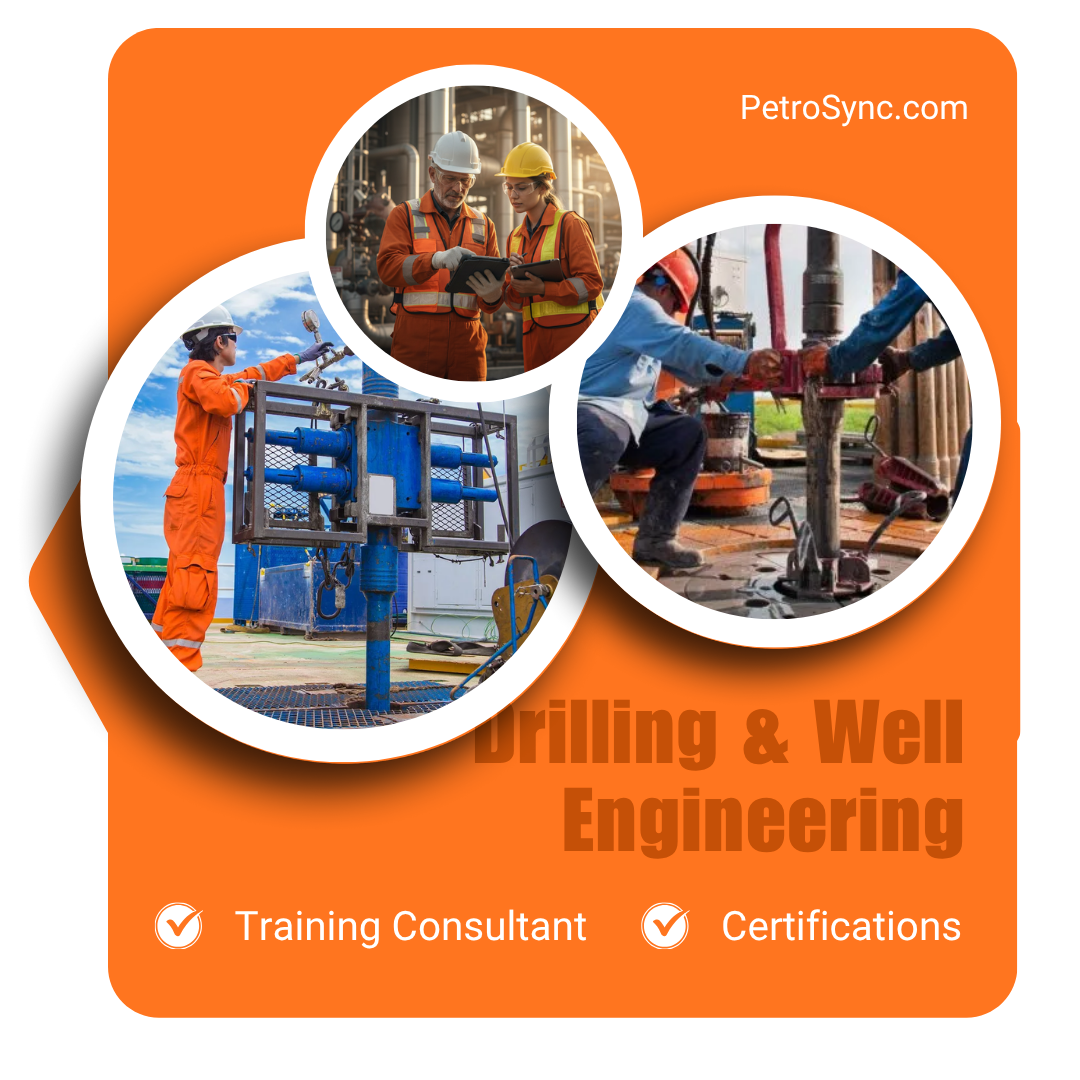
4. Drilling and Well Engineering Courses
These programs enhance technical understanding of drilling operations, well integrity, and safety management. As Indonesia continues exploration in deepwater and unconventional reserves, demand for skilled drilling engineers remains high.
5. Mechanical and Piping Design for Oil & Gas
Mechanical design and piping layout courses strengthen engineers’ ability to design efficient systems compliant with ASME and ISO standards. This training ensures optimized flow, reduced material costs, and safe plant operation.
6. Rotating Equipment and Condition Monitoring
Courses on pumps, compressors, and turbines — combined with vibration analysis and condition monitoring — help engineers detect early signs of equipment degradation. According to research from the Society for Petroleum Engineers (SPE), effective condition monitoring can cut unplanned downtime by 35% and maintenance costs by 25%.
7. Transition Programs for Engineers New to Oil & Gas
For professionals transitioning from other industries, these programs provide a strong foundation in oil and gas processes, safety protocols, and operational standards. It bridges the gap between theory and practice, accelerating readiness for field deployment.

How to Choose the Best Provider for Top Oil and Gas Training in Indonesia?
Selecting the right training provider requires careful evaluation of credibility, curriculum quality, and industry recognition. Key factors include:
- Accreditation: Ensure the training aligns with global standards like API, ASME, or ISO.
- Expert Trainers: Instructors with field experience bring practical insights beyond theory.
- Course Relevance: Modules should address current industry challenges, including digital transformation and energy transition.
- Hands-On Learning: Simulations, case studies, and workshops create stronger skill retention.
- Post-Training Support: Continuous assessment and certification renewal reflect a commitment to long-term competency.
The best providers are those that blend technical expertise with applied learning — giving engineers both the certification and the confidence to lead high-stakes operations.
Ready to Upgrade Your Career? Start with PetroSync’s Top Oil and Gas Training in Indonesia
To stay ahead in Indonesia’s competitive oil and gas market, engineers need more than experience — they need recognized expertise. PetroSync offers industry-leading programs tailored to meet the evolving needs of engineers, supervisors, and decision-makers.
From API certification and RBI courses to process safety and mechanical design training, PetroSync bridges global best practices with local challenges. Each course is led by expert trainers with real-world field experience, ensuring every participant gains actionable insights that directly enhance operational excellence.
Join PetroSync’s Top Oil and Gas Training in Indonesia today — and take the next step toward elevating your professional impact, safety leadership, and technical mastery in the ever-evolving energy sector.

Results-oriented and thorough SEO specialist with extensive experience in conducting keyword research, developing and implementing digital website promotion strategies and plans, managing campaigns to develop company websites in the digital world, excellent knowledge of marketing techniques and principles, and attentive strong attention to detail.