

Top Oil and Gas Training in Malaysia plays a vital role in shaping the next generation of industry leaders. As Malaysia continues to stand as a major player in Southeast Asia’s energy landscape, the sector faces complex challenges — from technological shifts and sustainability pressures to aging infrastructure and rising global competition.
For professionals and executives navigating these dynamics, the right training isn’t just an advantage — it’s essential. Quality oil and gas training bridges theoretical expertise with real operational performance, helping leaders think strategically, act safely, and drive measurable business impact.
In this article, we’ll explore how top oil and gas training in Malaysia delivers tangible results, what challenges it addresses, the key training types that elevate performance, and how to choose the right program for your organisation.
Why Top Oil and Gas Training in Malaysia Is Essential for Professionals
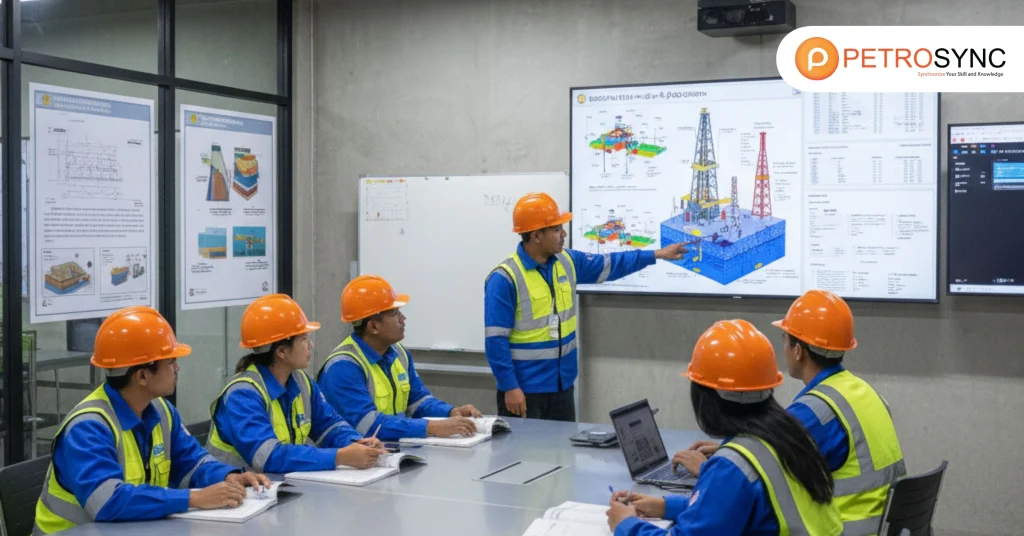
The oil and gas industry is evolving faster than ever. Digital transformation, stricter safety regulations, and the transition toward cleaner energy are reshaping how companies operate. This makes training a crucial investment rather than an optional expense.
A report by the International Energy Agency (IEA) indicates that companies with structured skill development programs experience up to 25% higher operational efficiency compared to those without formal training frameworks. In Malaysia, the government’s continuous push for upskilling initiatives through agencies like PETRONAS and HRD Corp further supports this transformation.
By participating in professional oil and gas training, engineers, supervisors, and decision-makers not only enhance their technical competency but also strengthen their leadership capacity in addressing complex industrial challenges.
What Challenges Can Top Oil and Gas Training in Malaysia Address?
Training programs in Malaysia are designed to close the skills gap between traditional practices and modern industrial standards. Several key challenges are often addressed through these initiatives:
- Aging Workforce and Knowledge Transfer: Many senior engineers are approaching retirement, creating a gap in expertise. Structured training ensures that critical knowledge is passed on effectively to the next generation.
- Operational Risks and Compliance: Mismanagement in process safety or inspection can lead to significant downtime or catastrophic incidents. Comprehensive training mitigates these risks.
- Technology Integration: With Industry 4.0 adoption, employees must learn to use advanced data analytics, automation, and monitoring systems effectively.
- Sustainability Pressure: As companies move toward low-carbon strategies, professionals must understand new technologies like carbon capture, hydrogen production, and renewable integration.
When executed well, training helps align workforce capabilities with corporate goals, leading to better safety records, optimized asset performance, and reduced production losses.

Types of Top Oil and Gas Training in Malaysia That Boost Performance
Malaysia offers a range of specialized oil and gas programs that target key operational areas. The following are among the most impactful training types proven to enhance both individual and organizational performance.
1. Reliability and Maintenance Training – Increasing Asset Uptime
Reliability and maintenance training focuses on strategies to maximize equipment availability and reduce unplanned downtime. A study published in the Journal of Loss Prevention in the Process Industries found that structured reliability programs can improve asset uptime by up to 30% and reduce maintenance costs significantly.
Participants learn to apply predictive maintenance, root cause analysis, and failure mode assessment — crucial tools for ensuring continuous operation and cost efficiency.
2. Process Safety and HSE Certification – Ensuring Compliance and Safety
Safety remains a non-negotiable priority in oil and gas operations. Process safety and HSE (Health, Safety, and Environment) certifications equip professionals with the knowledge to prevent incidents and maintain compliance with international standards.
Training typically covers risk management, hazard identification (HAZOP), and emergency response planning. According to an analysis by the Energy Institute, organizations that regularly conduct safety training record 40% fewer incidents and significantly higher employee morale.
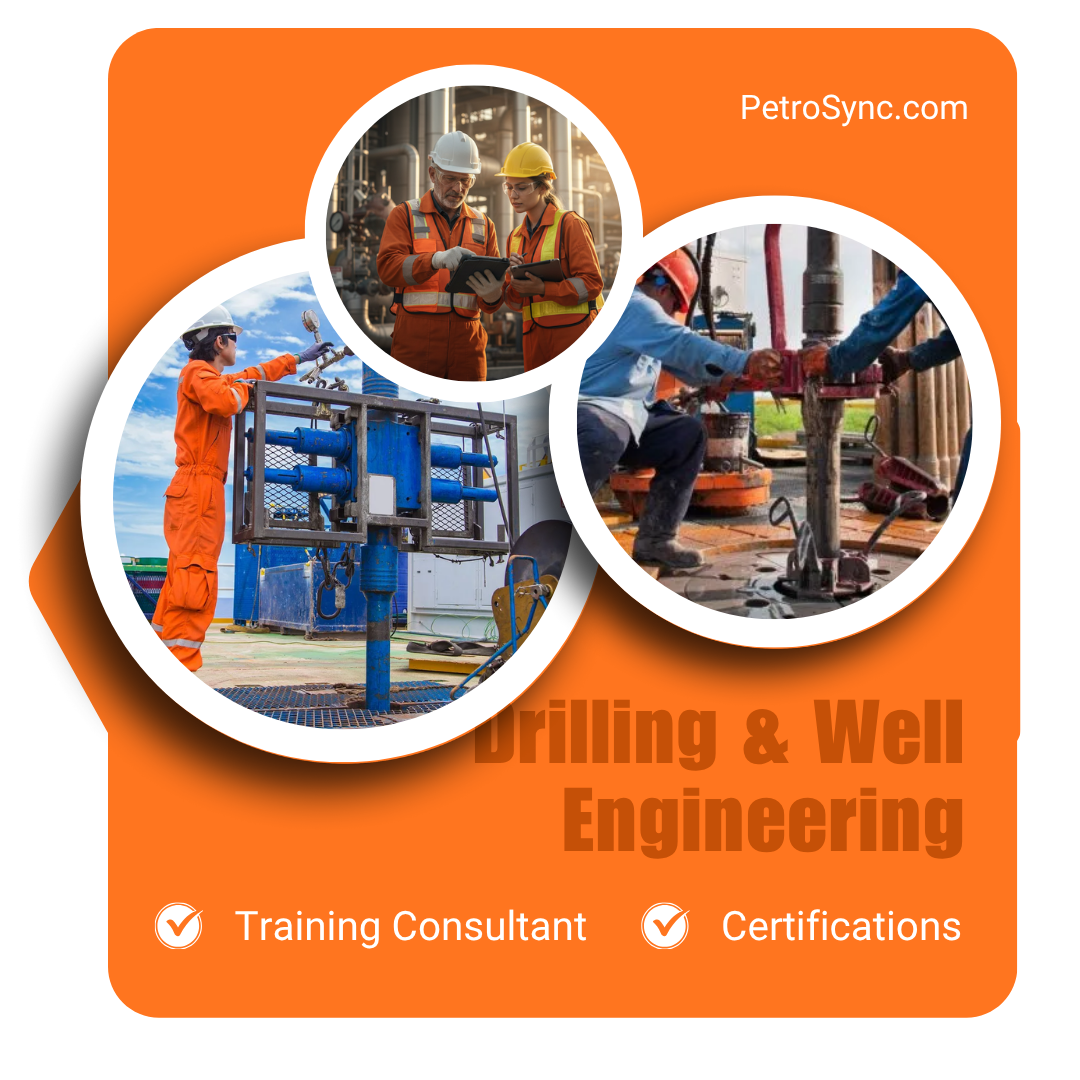
3. Drilling and Well Engineering Courses – Reducing Operational Risks
Drilling operations demand high precision and coordination. Advanced training in drilling and well engineering helps teams optimize well design, enhance drilling efficiency, and minimize non-productive time (NPT).
In Malaysia’s upstream sector, where offshore operations are technically demanding, well-trained engineers contribute directly to safety and cost control. Data from regional studies show that optimized training programs can cut drilling-related downtime by 15–20% while improving resource utilization.
4. Asset Integrity and Inspection Training (API/ASME) – Maximizing Asset Life and Reducing Downtime
Training in asset integrity and inspection, particularly under API and ASME standards, is fundamental for maintaining equipment reliability. This training enables professionals to assess corrosion, perform risk-based inspection (RBI), and ensure compliance with global codes.
Research highlighted in the Journal of Petroleum Technology revealed that implementing structured inspection programs based on API/ASME standards can extend asset lifespan by 25% and reduce failure incidents by nearly 40%. For facilities handling high-pressure and high-temperature systems, these insights directly translate into improved safety and operational continuity.
How to Choose the Right Top Oil and Gas Training in Malaysia for Maximum Impact
Selecting the right program goes beyond course titles — it requires alignment with both organisational goals and personal career growth. Here are key factors to consider:
- Relevance: Choose training that directly addresses your operational challenges or career objectives.
- Credibility: Ensure the program follows internationally recognized standards such as API, ASME, or ISO.
- Instructor Expertise: Trainers with real-world experience provide insights that go beyond textbook knowledge.
- Practical Approach: Look for training that combines theory with workshops, simulations, or field applications.
- Post-Training Support: The best providers offer mentoring or continued learning access after the session.
When these factors align, training becomes more than just an educational activity — it becomes a strategic lever for long-term performance.
Take Action: Enhance Your Career and Operations with PetroSync’s Top Oil and Gas Training in Malaysia
As the oil and gas landscape continues to evolve, the right training can be the difference between maintaining status quo and achieving operational excellence.
PetroSync offers a comprehensive range of internationally recognized oil and gas training programs in Malaysia — from API/ASME certification, process safety and reliability, to drilling and maintenance optimization. Each course is led by expert instructors with decades of industry experience, ensuring that every participant walks away with knowledge they can immediately apply on the field.
Many industry professionals have reported measurable improvements in equipment reliability, safety culture, and productivity after completing PetroSync training. Whether your goal is to enhance team competency, strengthen compliance, or boost profitability, PetroSync provides the expertise and support to help you achieve it.
Now is the time to invest in skills that truly make an impact — for your career, your organisation, and the industry’s future.

Results-oriented and thorough SEO specialist with extensive experience in conducting keyword research, developing and implementing digital website promotion strategies and plans, managing campaigns to develop company websites in the digital world, excellent knowledge of marketing techniques and principles, and attentive strong attention to detail.